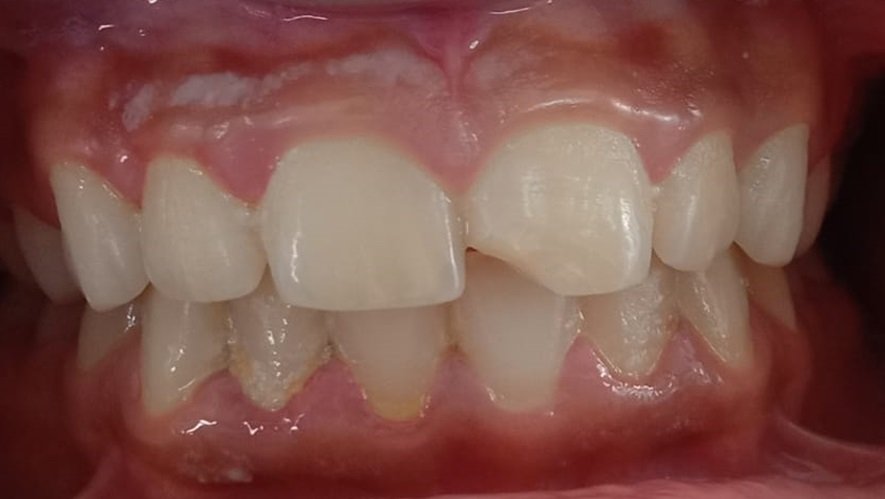
Non Surgical Healing: A Report of Two Cases
Department of Conservative Dentistry and Endodontics, Seema Dental College And Hospital, Rishikesh
ABSTRACT
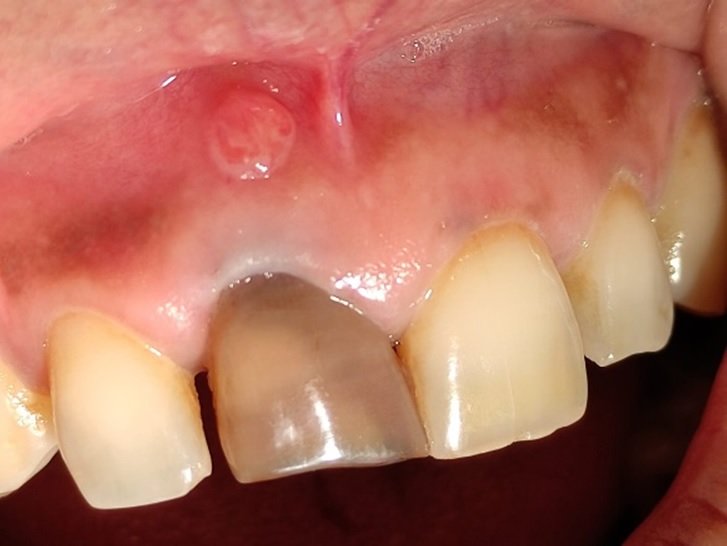
This case report describes the successful non-surgical healing of a periapical lesion and furcal defects in a patient through endodontic therapy. The patient presented with a symptomatic tooth with a radiographic periapical lesion and furcal radiolucency, and a conservative, non-surgical approach was employed to treat the lesion. Follow-up examinations revealed complete resolution of the periapical lesion and the absence of clinical symptoms, showcasing the effectiveness of non-surgical root canal therapy in promoting healing.1
INTRODUCTION
Periapical lesions are common findings in endodontic practice and typically result from a microbial infection of the dental pulp, causing inflammation and bone destruction around the apex of the tooth. While surgical endodontic treatment is sometimes necessary for certain cases, non-surgical approaches are often successful in treating periapical lesions. This case reports present patients who underwent non-surgical root canal therapy, resulting in complete healing of a periapical and furcation lesion.2
CASE REPORT: 1
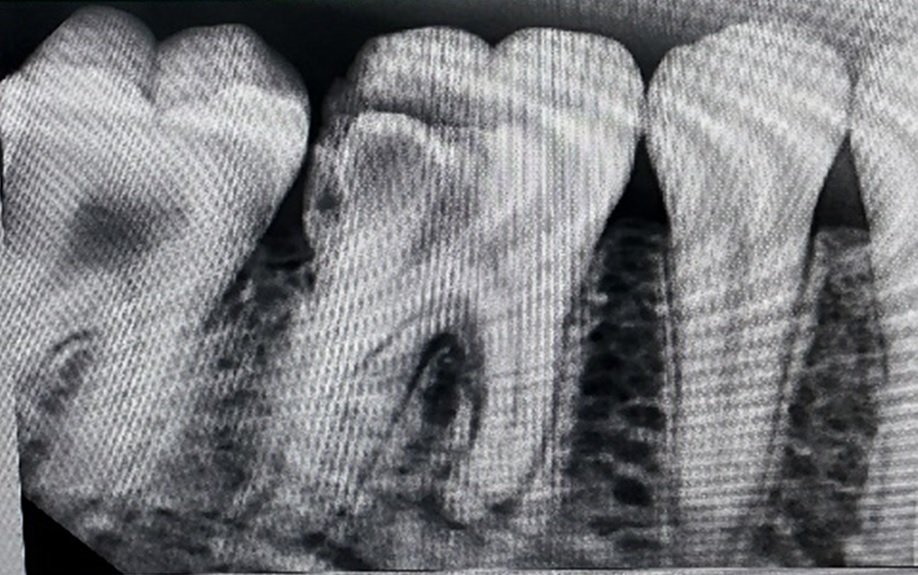
A 16-year-old female patient presented to the department of conservative dentistry and endodontics with a chief complaint of pain in the lower left first molar (irt 36) for the past 3 months. The patient's medical history was unremarkable, and there were no contraindications for dental treatment. Root canal treatment was initiated with an interappointment calcium hydroxide dressing. The patient underwent subsequent root canal obturation with gutta-percha and a resin-based sealer. A 2-month follow-up radiograph showed a significant reduction in radiolucency with respect to the same tooth.
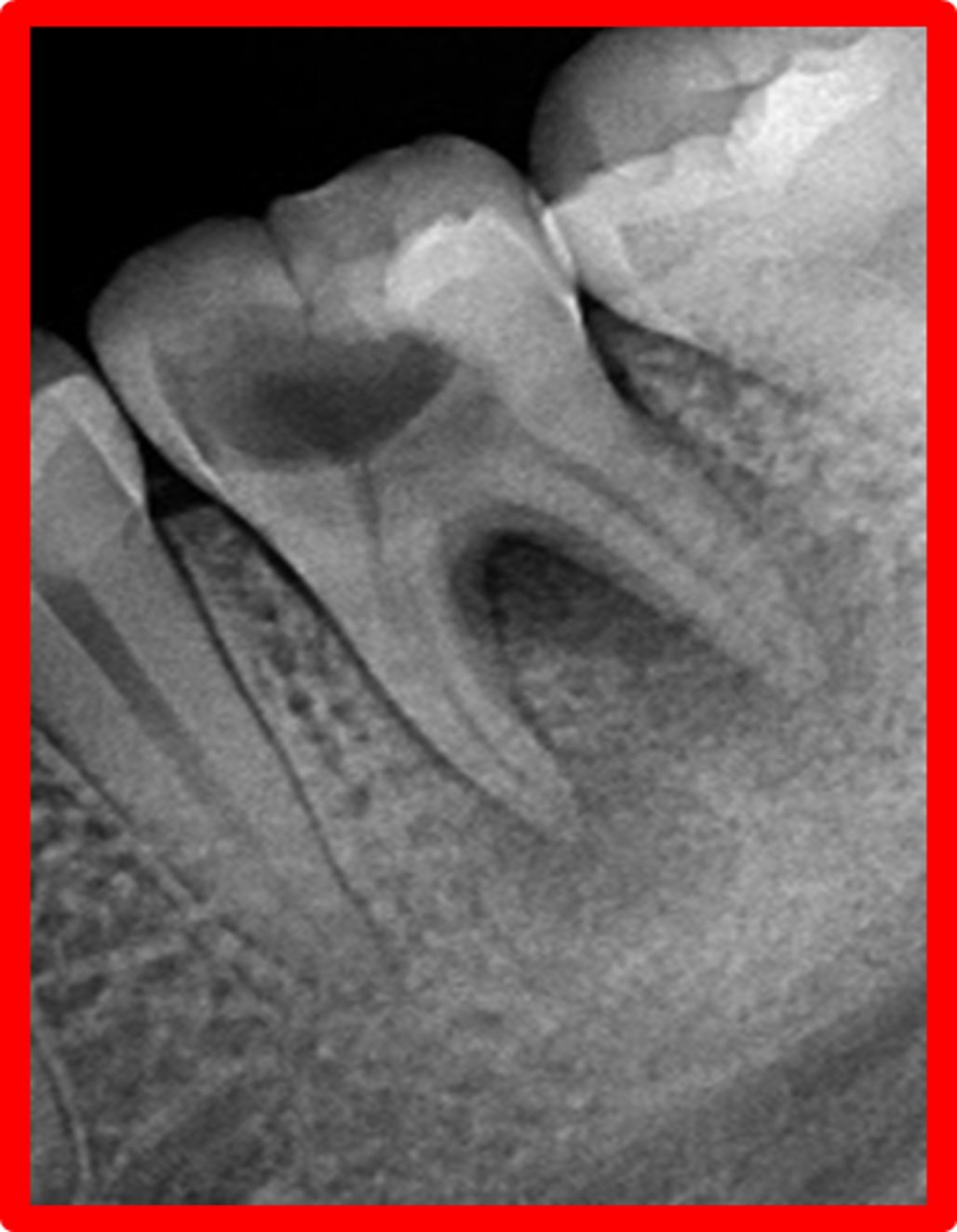
PRE-OPERATIVE RADIOGRAPH

AFTER 2 MONTH FOLLOW UP
CASE REPORT: 2
A 16-year-old female patient presented to the department of conservative dentistry and endodontics with a chief complaint of pain in the lower left first molar (irt 36) for the past 3 months. The patient's medical history was unremarkable, and there were no contraindications for dental treatment. Root canal treatment was initiated with an interappointment calcium hydroxide dressing. The patient underwent subsequent root canal obturation with gutta-percha and a resin-based sealer. A 2-month follow-up radiograph showed a significant reduction in radiolucency with respect to the same tooth.

PRE-OPERATIVE RADIOGRAPH

AFTER 2 MONTH FOLLOW UP
DISCUSSION
Non-surgical root canal treatment, also known as endodontic therapy, is a dental procedure designed to save a diseased or damaged tooth while preserving its natural structure. This treatment is essential for addressing severe tooth infections and alleviating excruciating pain, ultimately improving a patient's oral health and quality of life.4
One significant advantage of non-surgical root canal treatment is its ability to salvage teeth that would otherwise need extraction. The process involves removing infected or inflamed pulp from the tooth's interior, cleaning and disinfecting the canals, and subsequently sealing the tooth to prevent further infection. This not only eliminates the source of pain but also prevents the spread of infection to neighboring teeth or throughout the body.7,8
Non-surgical root canal therapy is often more cost-effective and less invasive than tooth extraction followed by tooth replacement options like implants, bridges, or dentures. It preserves the natural appearance of the smile, maintaining functionality and aesthetics. Additionally, this treatment can be completed in just one or two appointments, making it a convenient option for patients.3
This case report highlights the successful non-surgical healing of a periapical lesion through endodontic therapy. The patient experienced rapid pain relief, and follow-up examinations demonstrated complete resolution of the periapical lesion, confirming the effectiveness of non-surgical root canal treatment.5,6
CONCLUSION
Non-surgical endodontic therapy can be a highly effective approach for healing periapical lesions caused by microbial infection of the dental pulp. Timely diagnosis, proper disinfection, and meticulous obturation of the root canals are crucial for successful outcomes, as illustrated in this case report.
REFERENCES
- Sjögren U, Figdor D, Persson S, Sundqvist G. Influence of infection at the time of root filling on the outcome of endodontic treatment of teeth with apical periodontitis. Int Endod J. 1997;30(5):297-306.
- Lin LM, Rosenberg PA, Lin J. Do procedural errors cause endodontic treatment failure? J Am Dent Assoc. 2005;136(2):187-193.
- Nair PN, Sjögren U, Krey G, Kahnberg KE, Sundqvist G. Intraradicular bacteria and fungi in root-filled, asymptomatic human teeth with therapy-resistant periapical lesions: a long-term light and electron microscopic follow-up study. J Endod. 1990;16(12):580-588.
- Ng YL, Mann V, Rahbaran S, Lewsey J, Gulabivala K. Outcome of primary root canal treatment: systematic review of the literature - Part 2. Influence of clinical factors. Int Endod J. 2008;41(1):6-31.
- Del Fabbro M, Taschieri S, Lodi G, Banfi G, Weinstein RL. Magnification devices for endodontic therapy. Cochrane Database Syst Rev. 2016;6(6):CD005969.
- Gorni FG, Gagliani MM. The outcome of endodontic retreatment: a 2-yr follow-up. J Endod. 2004;30(1):1-4.
- Schirrmeister JF, Liebenow AL, Pelz K, Wittmer A, Serr A, Hellwig E, Al-Ahmad A. New bacterial compositions in root-filled teeth with periradicular lesions. J Endod. 2009;35(2):169-174.
- Torabinejad M, Corr R, Handysides R, Shabahang S. Outcomes of nonsurgical retreatment and endodontic surgery: a systematic review. J Endod. 2009;35(7):930-937.
Disclaimer from Guident
The views and opinions expressed in articles published in Guident are solely those of the authors and do not necessarily reflect the views of the editors, the editorial board or the publisher, Ivory India. Guident does not endorse any product, technique or treatment described. Clinical content is intended for qualified dental and medical professionals and is not a substitute for individual clinical judgement. Guident, its editors and the publisher accept no liability for any consequence arising from the use of information published in the journal.
How to cite this article
Dr. Renu Rajput, Dr. Ayushi Rawat, Dr. Anil Dhingra. Non Surgical Healing: A Report of Two Cases. Guident. 2023 Oct;16(11). Available from: https://guident.net/articles/endodontics/non-surgical-healing-a-report-of-two-cases.html