Rubber Dam and its Application in Endodontics
Director, Upskill Dental Academy Mumbai, India
RUBBER DAM
A dental dam or rubber dam (sometimes termed "Kofferdam"—from German), designed in the United States in 1864 by Sanford Christie Barnum, is a thin, 6-inch (150 mm) square sheet, usually latex or nitrile, used in dentistry to isolate the operative site (one or more teeth) from the rest of the mouth.

Quadrant Isolation With Non Latex Rubberdam
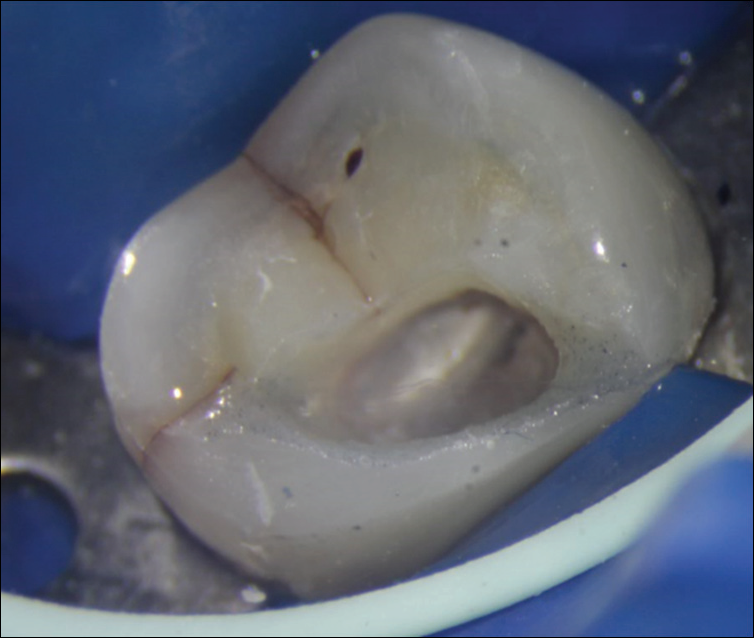
Single Tooth Isolation For Endodontic Treatment
RUBBER DAM –THE PURPOSE
The purpose of rubberdam is most precisely explained by G.V.Black in 1908, he wrote
“The rubberdam serves to keep the working area around the teeth clean ,dry and antiseptic ,if necessary .the latter is especially desirable when it comes to root canal treatments “(G.V.Black ,1908)1
RUBBER DAM –THE HISTORY
Dr La Roche (a Frenchman ) declared in 1883 that he had applied the rubber dam technique since 1857 and consequently claimed to be the inventor of this method.but it was Dr Stanford Christie Barnum(1836-1885),a New York dentist ,who on 15th March1864 used a rubber dam for the first time ,and later demonstrated its use during the Dental society Congress in New York in June 1864.By 1867 the rubber dam technique was widely accepted.
“At that time when the idea of rubber dam dawned on my mind, I was practising in Monticallis, Sullivan Co., New York. It was the result of much persecution from the inroads of saliva. I had spent many an hour, weary and distracted, battling against its incursions. Many a sleepless night had I over sad failures… with the one absorbing question ever before me unanswered. “How shall I keep the cavities dry?” The answer came… on the 15th day of March 1864, a case presented itself of a cavity in a lower molar standing alone, on the left side, in a mouth, as wet – well as water gushing from every duct could make it. In a sort of half desperate way, and partly to try the new idea, I cut a hole in my napkin protector and over the tooth it went. There was the rubber dam”.2

Tooth Isolation,The Rubber Dam,Suggested Or Obligatory? Arnaldo Castellucci
RUBBER DAM –THE SIGNIFICANCE
The Quality Assurance Guidelines of the American Associations of Endodontists says that “cleaning, shaping, disinfection and obturation of all canals are accomplished using an aseptic technique with dental dam isolation whenever possible”,often when it is not possible, the clinician has two options: one is to make it possible and the other is to extract the tooth! There is no other choice.
Failure to use rubber dam has been shown to influence the choice of root canal irrigant, has a negative impact on treatment outcome and places the patient at risk of swallowing or aspirating materials and instruments.
In conclusion its practically impossible to accomplish any step in root canal treatment aseptically ,without the presence of rubber dam.if however the root canal is still performed without rubber dam isolation ,it further compromises the prognosis of the concerned tooth .
It may be particularly helpful to explain to the patient that the rubber dam is necessary to isolate the operating area in exactly the same way as a surgical drape is essential for similar invasive medical procedures, where bacterial contamination may have a profound effect on the outcome. Indeed, refusal to accept a rubber dam may preclude the prescription of endodontic therapy. If an endodontic instrument is inhaled, a medicolegal allegation of negligence may be impossible to defend, even if the patient had appeared to accept the risk. With a little practice, an understanding of the basic principles, a well organised surgery and a well-trained dental nurse, a single tooth can be isolated in only a few seconds.3

Pic Courtesy: internet sources
ADVANTAGES
In Endodontics, use of the rubber dam confers the following advantages:
- The patients are protected from the ingestion or, worse, the aspiration of small instruments, dental fragments, irrigating solutions, or irritant substances.
- The opportunity to operate in a clean surgical field.
- Retraction (very important for working in the posterior areas) and protection of the soft tissues (gums, tongue, lips, and cheeks), which are sheltered from the cutting action of the bur.
- Reduction of delays: the patients, with fortunately rare exceptions, cannot converse except with great difficulty; besides, they will not have to rinse their mouth every five minutes.
- The dentist and dental assistant are protected against infections which can be transmitted by the patient’s saliva.
- Better tactile sensitivity during the cleaning and shaping procedure. Without the rubber dam, the dentist, aware of the risk of causing the patient to ingest or aspirate an instrument, holds the files in such as way that they will not slip from his/her fingers. The pressure applied to the handle of these instruments reduces the sensitivity of the fingers and precludes the use of the instruments to perform delicate procedures. With the rubber dam in place, on the other hand, the instruments may be held delicately, without fearing that they may slip from operator’s hand.
- The patients are more comfortable.
The American Associations of Endodontists in its Quality Assurance Guidelines and Position Statement of 2010 says that “Tooth isolation using the dental dam is the standard of care; it is integral and essential for any nonsurgical endodontic treatment. One of the primary objectives of endodontic treatment is disinfection of the root canal system. Only dental dam isolation minimizes the risk of contamination of the root canal system by indigenous oral bacteria. The dental dam also offers other benefits, such as aiding in visualization by providing a clean operating field and preventing ingestion or aspiration of dental materials, irrigants and instruments.”
over all an efficient use of rubber dam saves time and improves work. It also provides a clear field.
The European Society of Endodontiology in the Quality Guidelines says that “Root canal treatment procedures should be carried out only when the tooth is isolated by rubber dam to: prevent salivary and bacterial contamination, prevent inhalation and ingestion of indentistry, as in general surgery, isolation of the operative field is imperative, even for a simple filling.
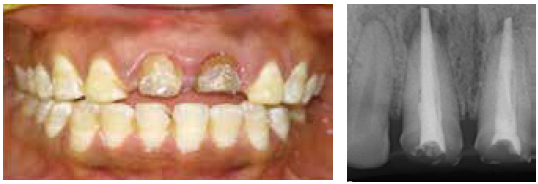
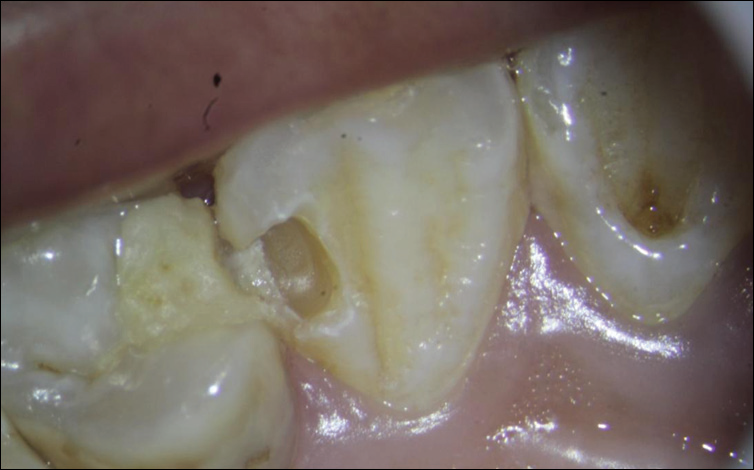
Even more so than in restorative dentistry, the rubber dam is obligatory in Endodontics, so much so that Endodontics should not be performed without a dam. Furthermore, an endodontic treatment should not be undertaken unless the tooth – particularly if damaged – has not been reconstructed to allow easy positioning of the rubber dam.2
THE PATIENT PERSPECTIVE
The biggest advantage for the patient is the comfort of feeling that the treatment happens outside of his mouth , the otherwise intensive aspiration (which results in a very dry mucosa)and cotton rolls ,or worse by the operators fingers holding them down( which often triggers a gag reflex)is avoided .
CONDITIONS PRECLUDING THE USE OF RUBBER DAMS
- patients with asthma
- severely malpositioned teeth
- insufficiently erupted teeth4
In my next article i shall present in detail the rubber dam armamentarium.
REFERENCES
- Fit Kofferdam, www.hagerwerken.de
- Tooth isolation, the rubber dam, suggested or obligatory.Zerodonto ,Endodontics 6th march 2017 .Author Arnaldo Castellucci
- Tooth isolation ,the rubber dam ,Arnaldo castellucci MD.DDS www.endoexperience.com
Disclaimer from Guident
The views and opinions expressed in articles published in Guident are solely those of the authors and do not necessarily reflect the views of the editors, the editorial board or the publisher, Ivory India. Guident does not endorse any product, technique or treatment described. Clinical content is intended for qualified dental and medical professionals and is not a substitute for individual clinical judgement. Guident, its editors and the publisher accept no liability for any consequence arising from the use of information published in the journal.
How to cite this article
Dr. Pavana Kamath. Rubber Dam and its Application in Endodontics. Guident. 2019 Mar;12(4). Available from: https://guident.net/articles/endodontics/rubber-dam-and-its-application-in-endodontics.html