Role of Gold-Plated Implant Surfaces in Dental Implantology: A Report of Two Clinical Cases
Dentonic Oral Surgery Implant Centre Rajbagh, Srinagar, J&K
ABSTRACT
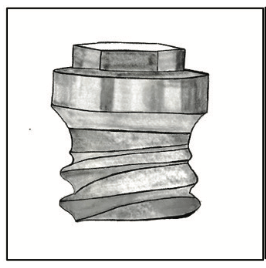
Surface modification of dental implants plays a crucial role in achieving predictable and long-term osseointegration. Numerous surface treatments have been developed to enhance bone–implant contact, reduce healing time, and minimize biological complications. This case report presents two clinical cases in which gold-plated dental implants (Bioline Implants) were used. The report highlights the biological rationale, clinical performance, and patient outcomes associated with gold-plated implant surfaces. Both cases demonstrated uneventful healing, absence of infection, and satisfactory osseointegration, suggesting that gold plating may represent a promising noble surface modification in implant dentistry.
INTRODUCTION
Successful dental implant therapy depends on rapid, stable, and predictable osseointegration. Over the years, extensive research has focused on modifying implant surface characteristics to improve biological response and clinical outcomes. Parameters such as surface roughness, surface chemistry, energy, and coating materials significantly influence bone–implant contact and healing dynamics.
Globally, manufacturers, clinicians, and researchers have explored various implant materials, designs, shapes, and surface treatments to optimize implant performance. Among these, implant surface coatings have remained a subject of particular interest due to their direct interaction with bone and surrounding tissues.
Gold, a noble metal known for its biocompatibility and corrosion resistance, has rarely been explored as an implant surface coating in modern implantology. This case report describes two clinical cases utilizing gold-plated implant surfaces and evaluates their biological and clinical behavior.
Background and Rationale for Surface Modifications
Several implant surface treatments have been developed and widely adopted to enhance osseointegration, including:
- Sandblasted, Large Grit, Acid-Etched (SLA) Surface (Straumann): Enhances surface roughness and bone–implant contact.
- TiUnite Surface (Nobel Biocare): Porous titanium dioxide layer promoting bone integration.
- NanoTite Surface (3i): Nanotechnology-based surface roughness enhancement.
- Hydroxyapatite (HA) Coating: Promotes osteoconduction and bone growth.
- Titanium Plasma Spray (TPS) Coating: Increases surface roughness and bone cell attachment.
- Calcium Phosphate (CaP) Coating: Improves implant stability and stimulates bone formation.
- Fluoride Coating: Enhances bone growth and reduces bacterial adhesion.
- Bioactive Glass Coating: Accelerates bone healing and osseointegration.
- Zirconia Coating: Offers high biocompatibility and resistance to bacterial colonization.
- Titanium Oxide (TiO?) Coating: Increases surface energy and cellular attachment.
- Silver (Ag) Coating: Provides antibacterial properties.
- Magnesium (Mg) Coating: Promotes bone growth and implant stability.
Despite these advancements, infection control, corrosion resistance, and long-term biological stability remain challenges, prompting exploration of alternative surface treatments such as gold plating.
CASE PRESENTATION
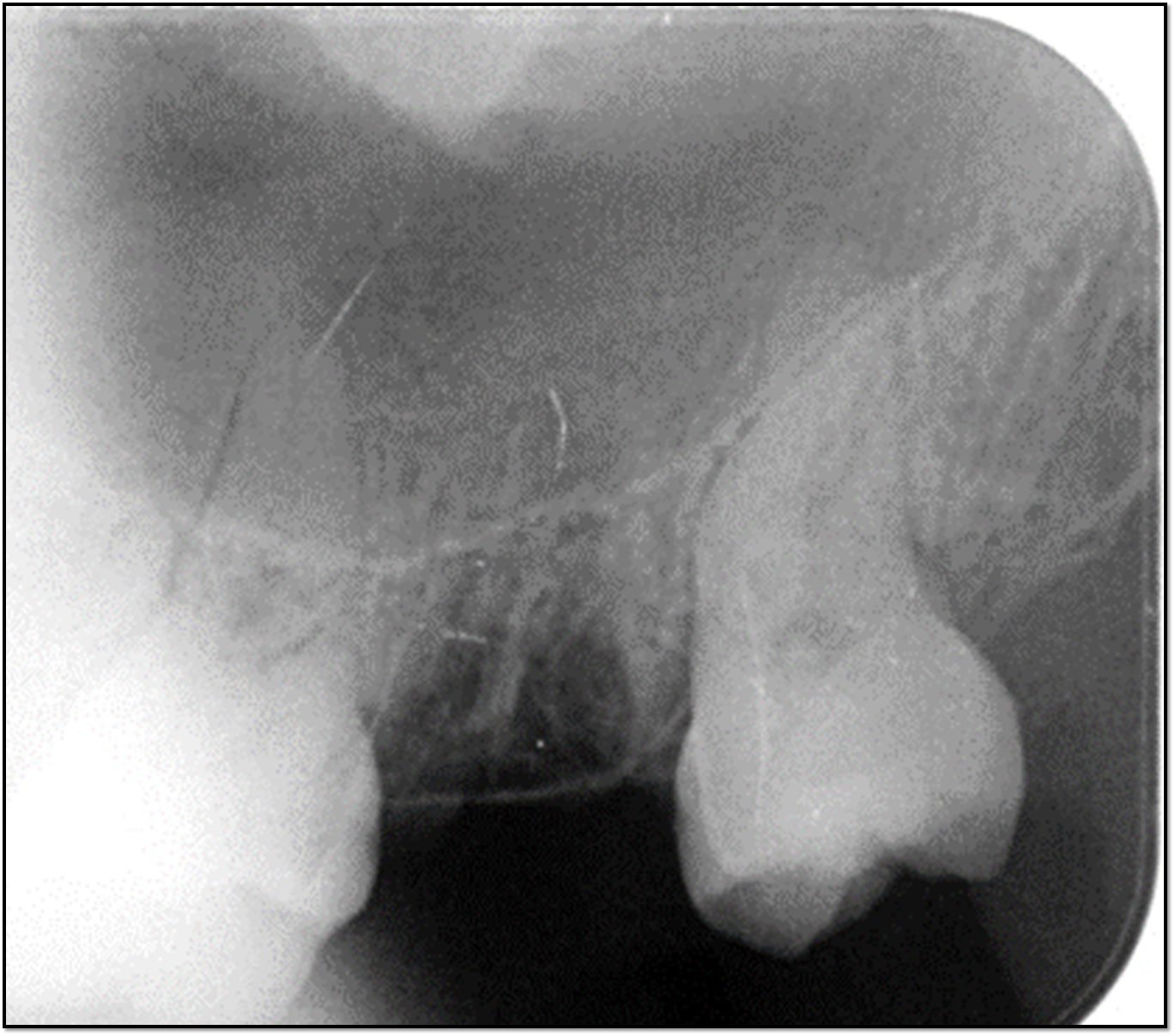
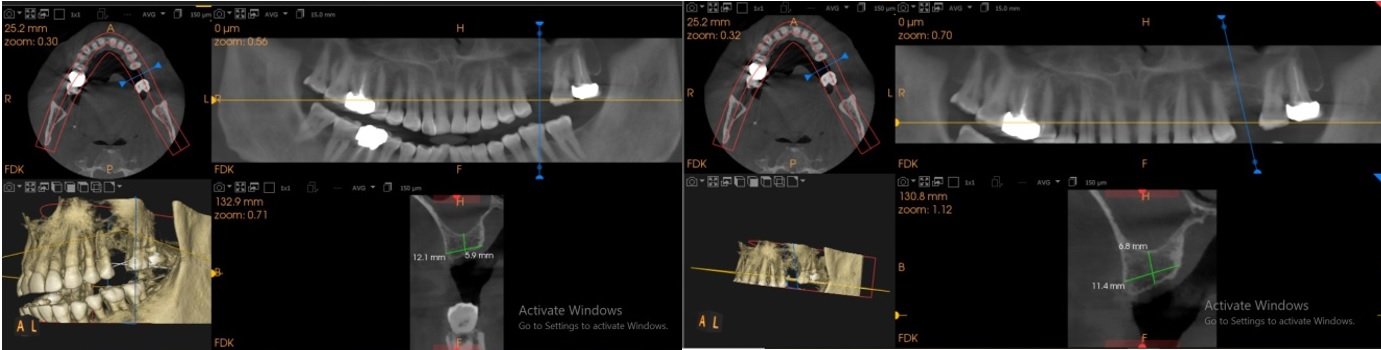
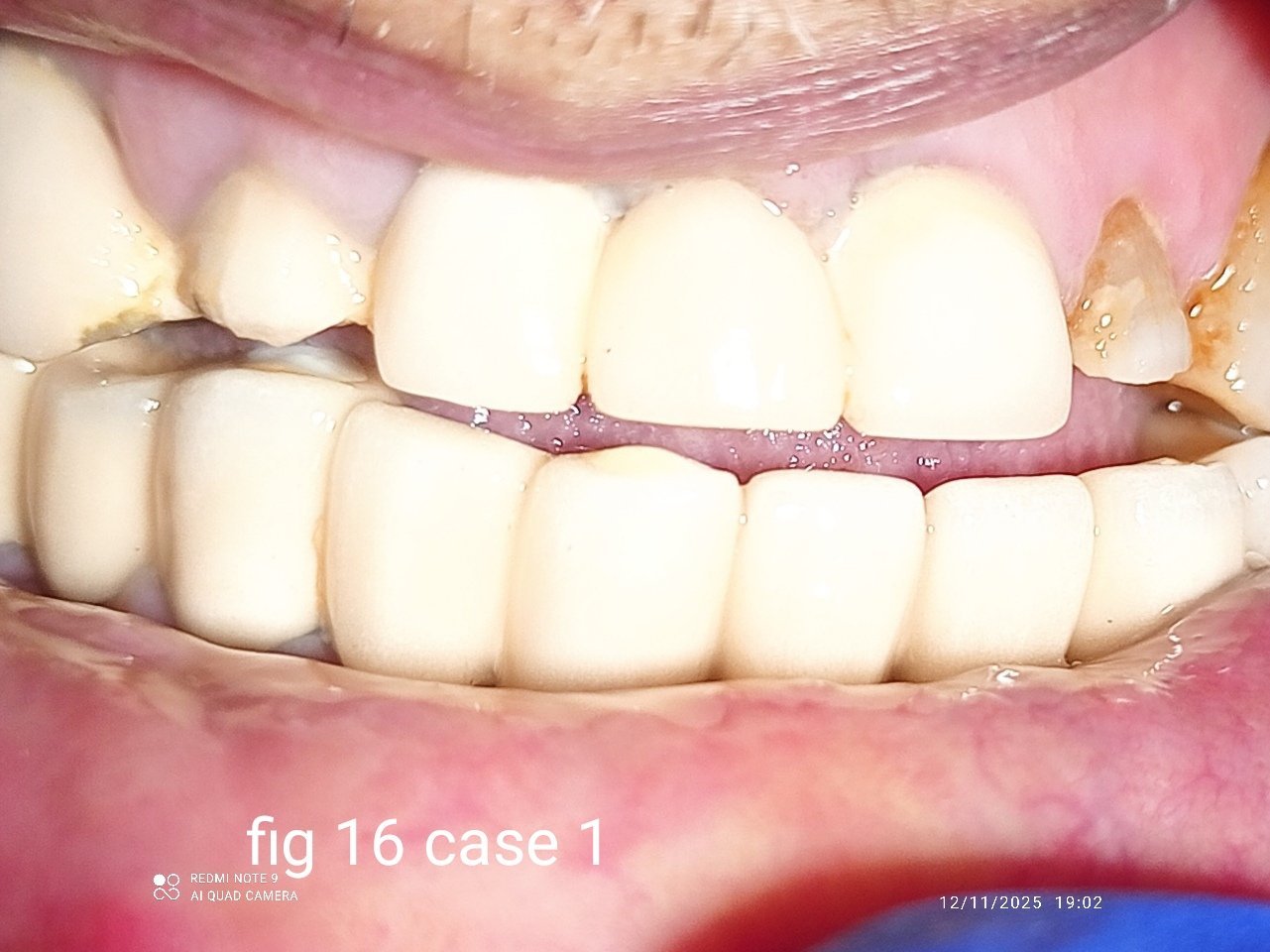
CASE 1:


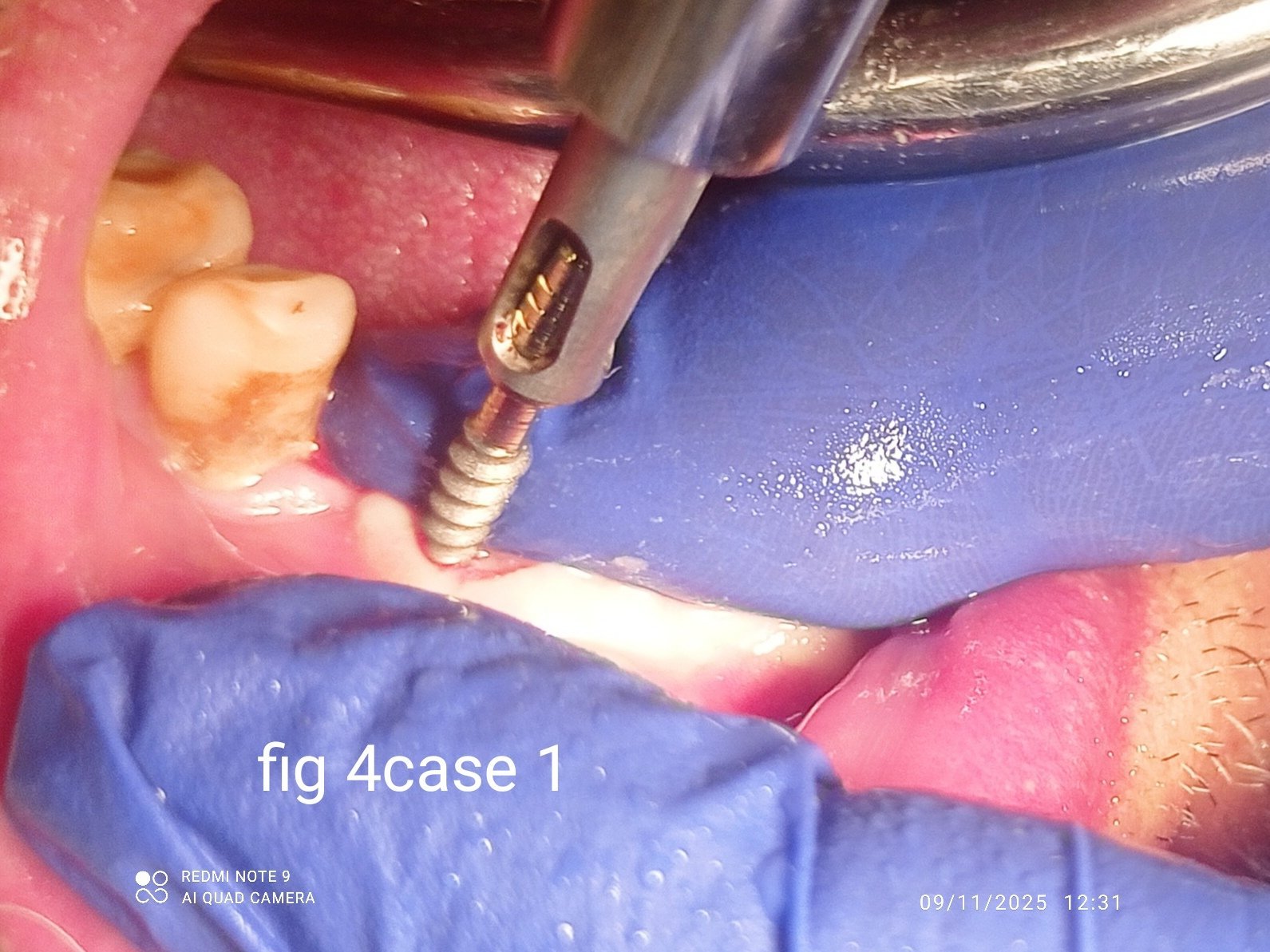


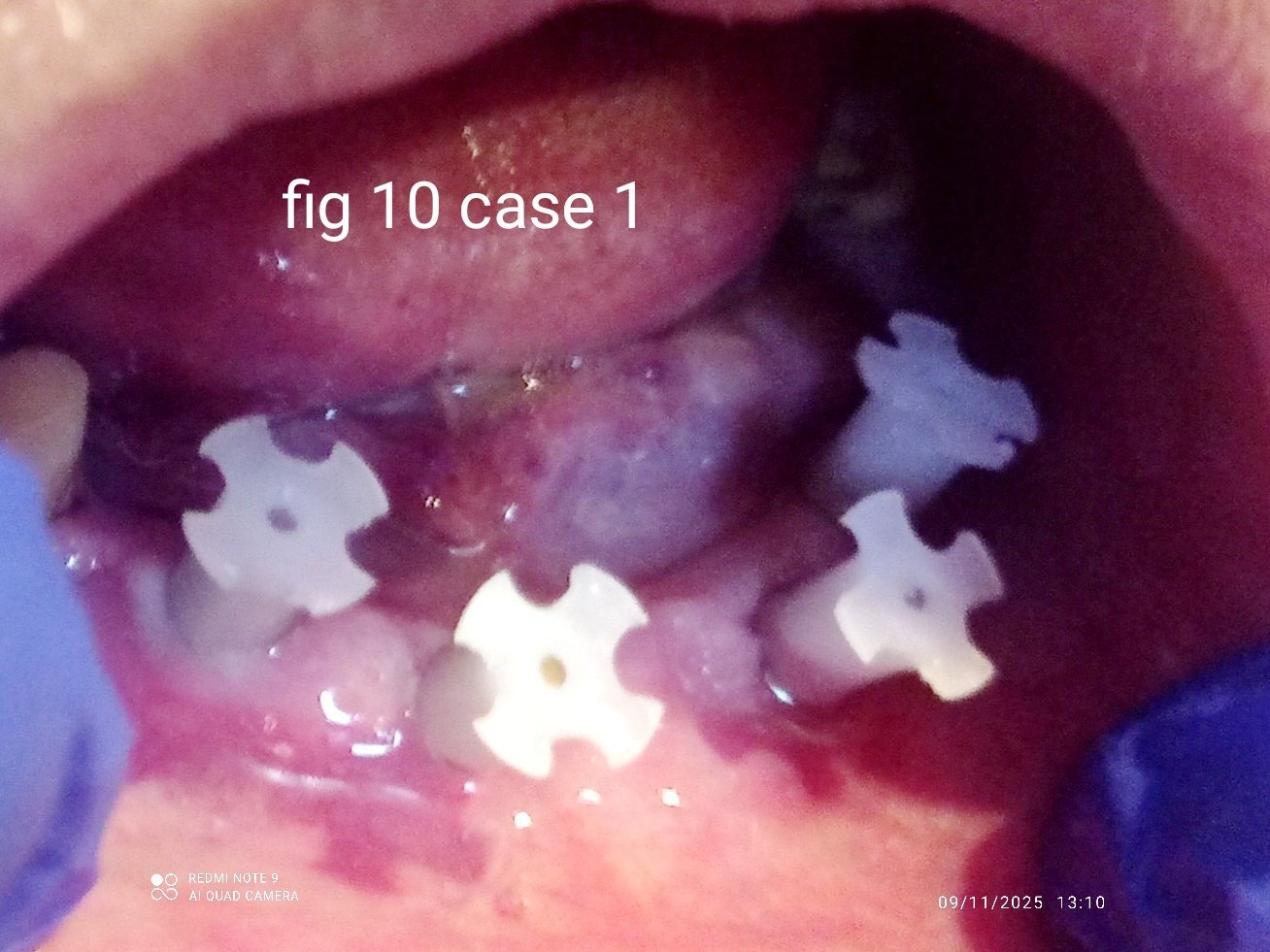
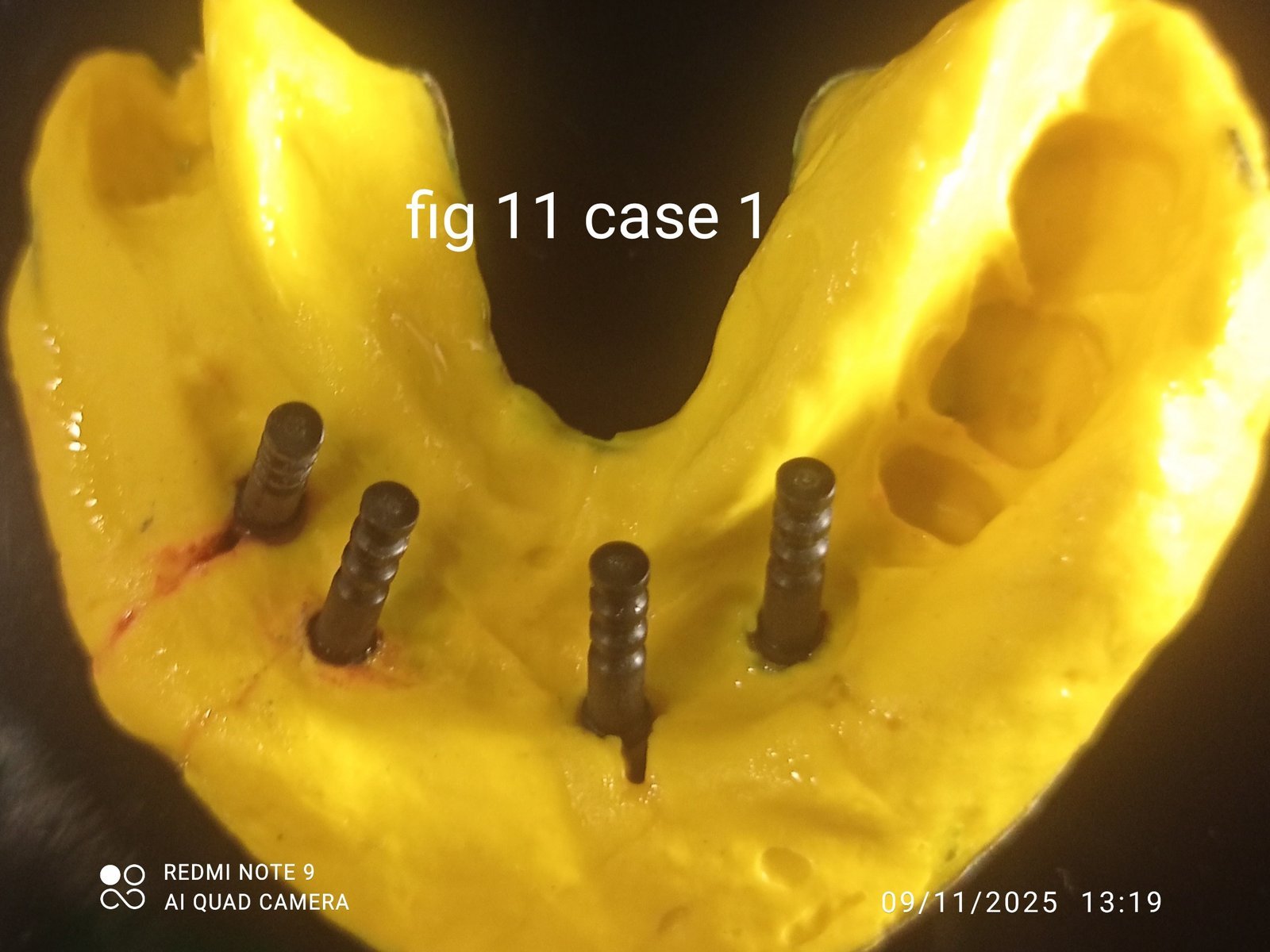
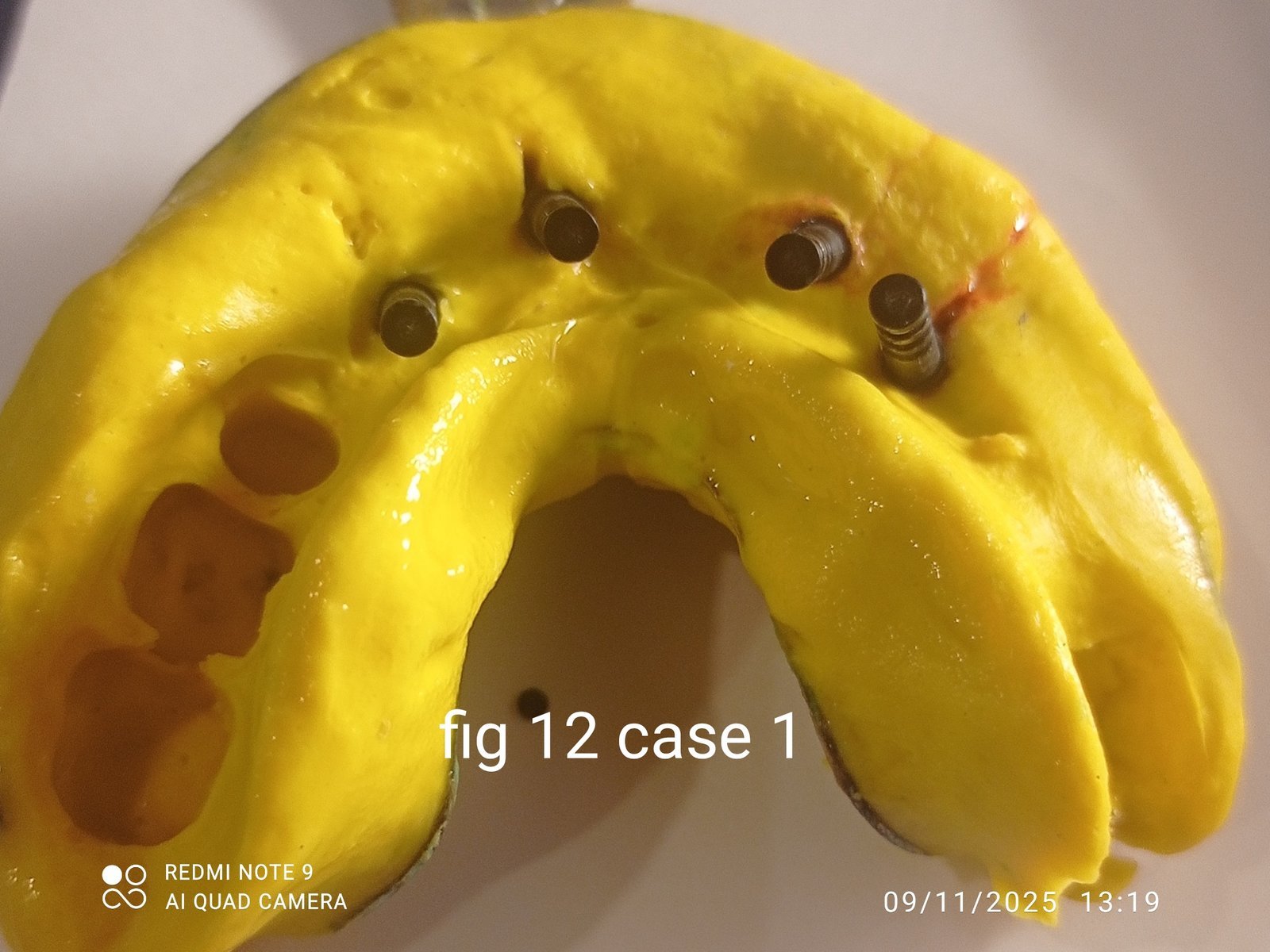


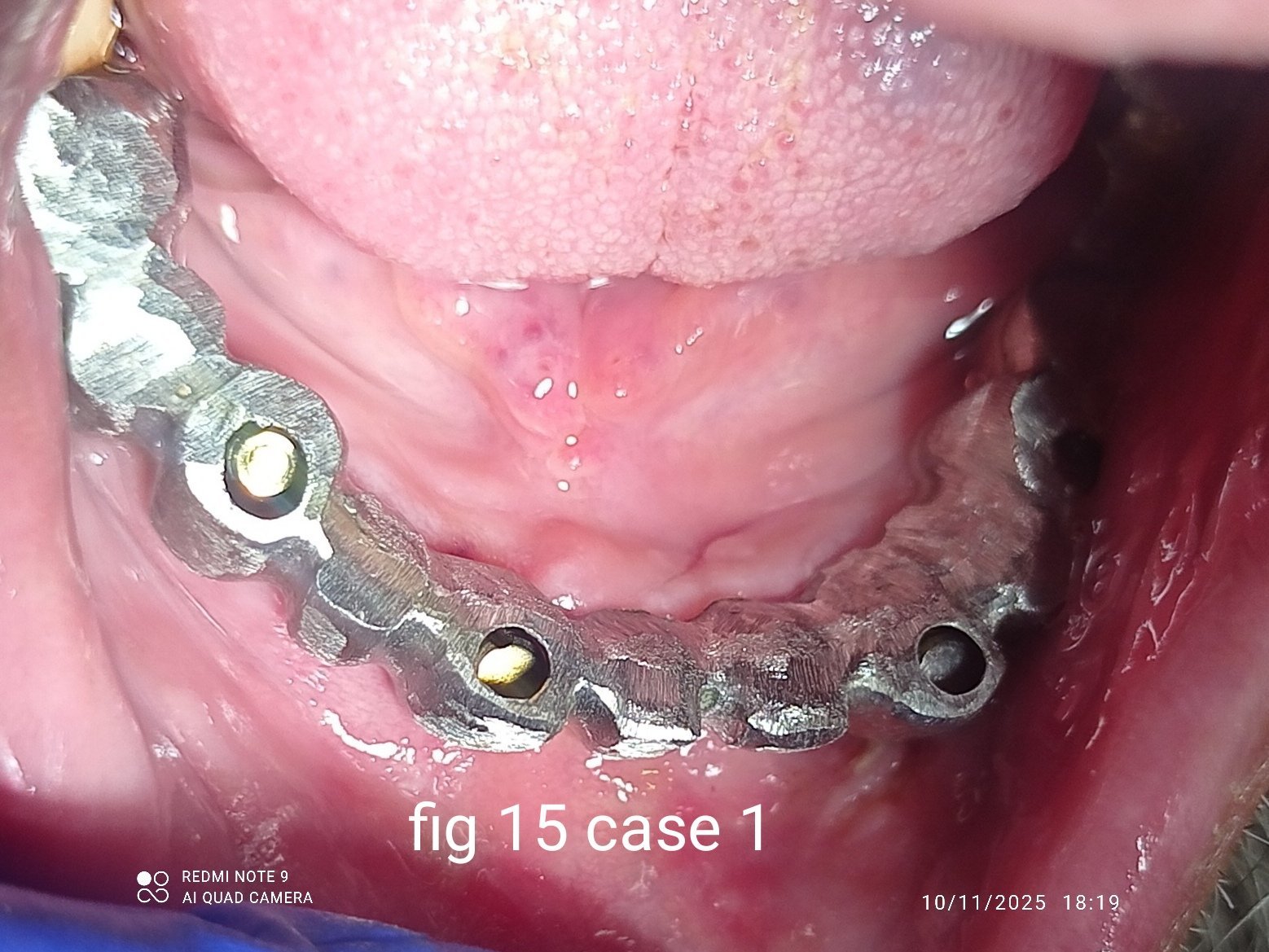

CASE 2:
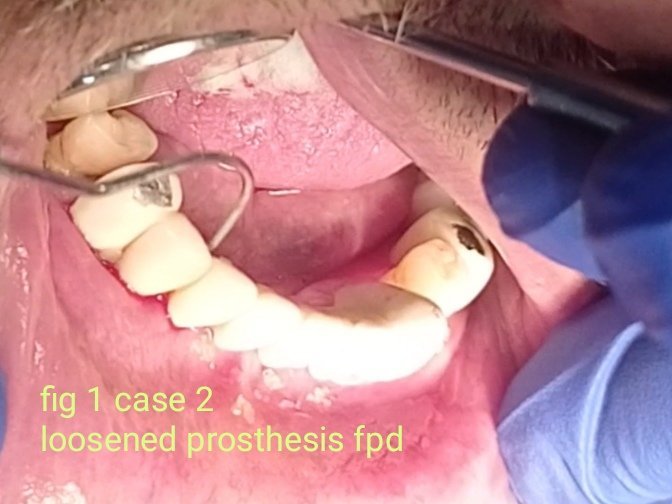


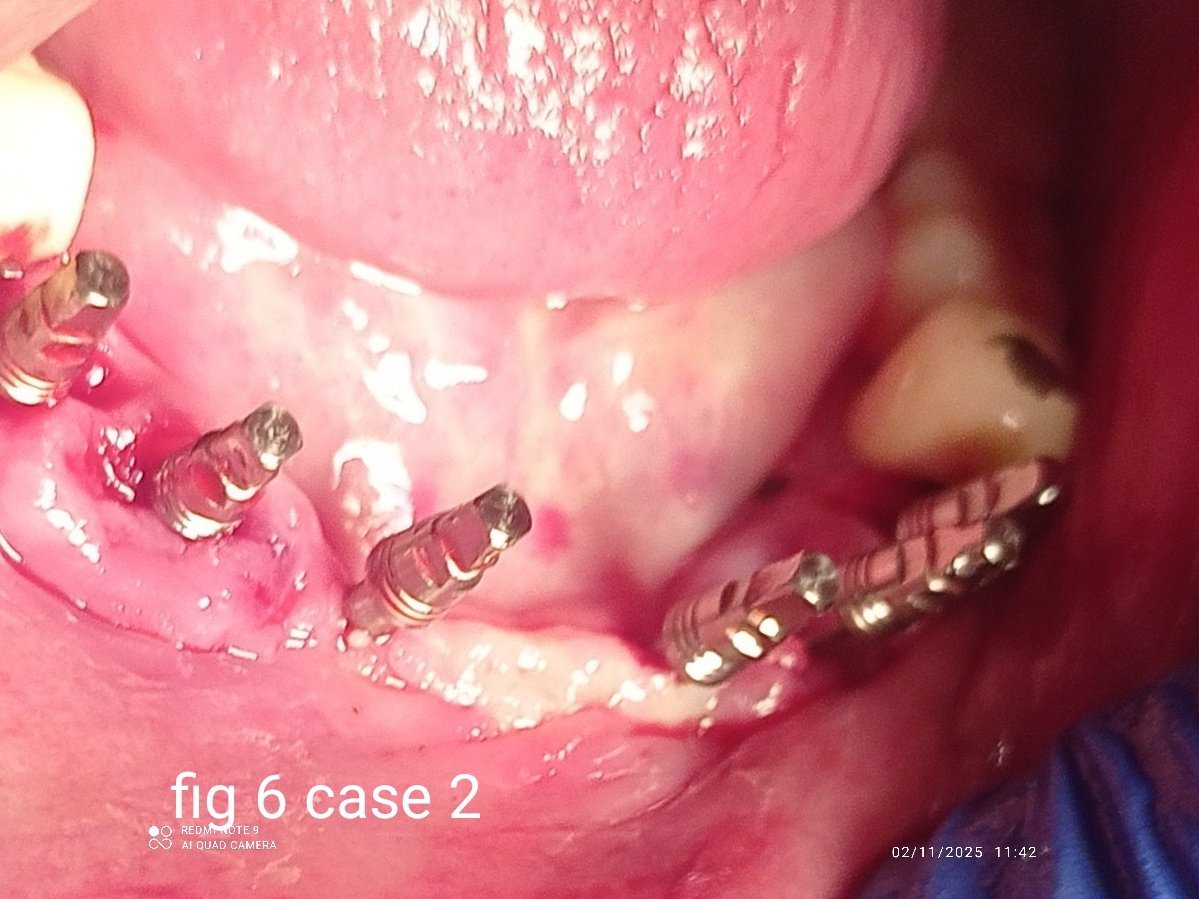


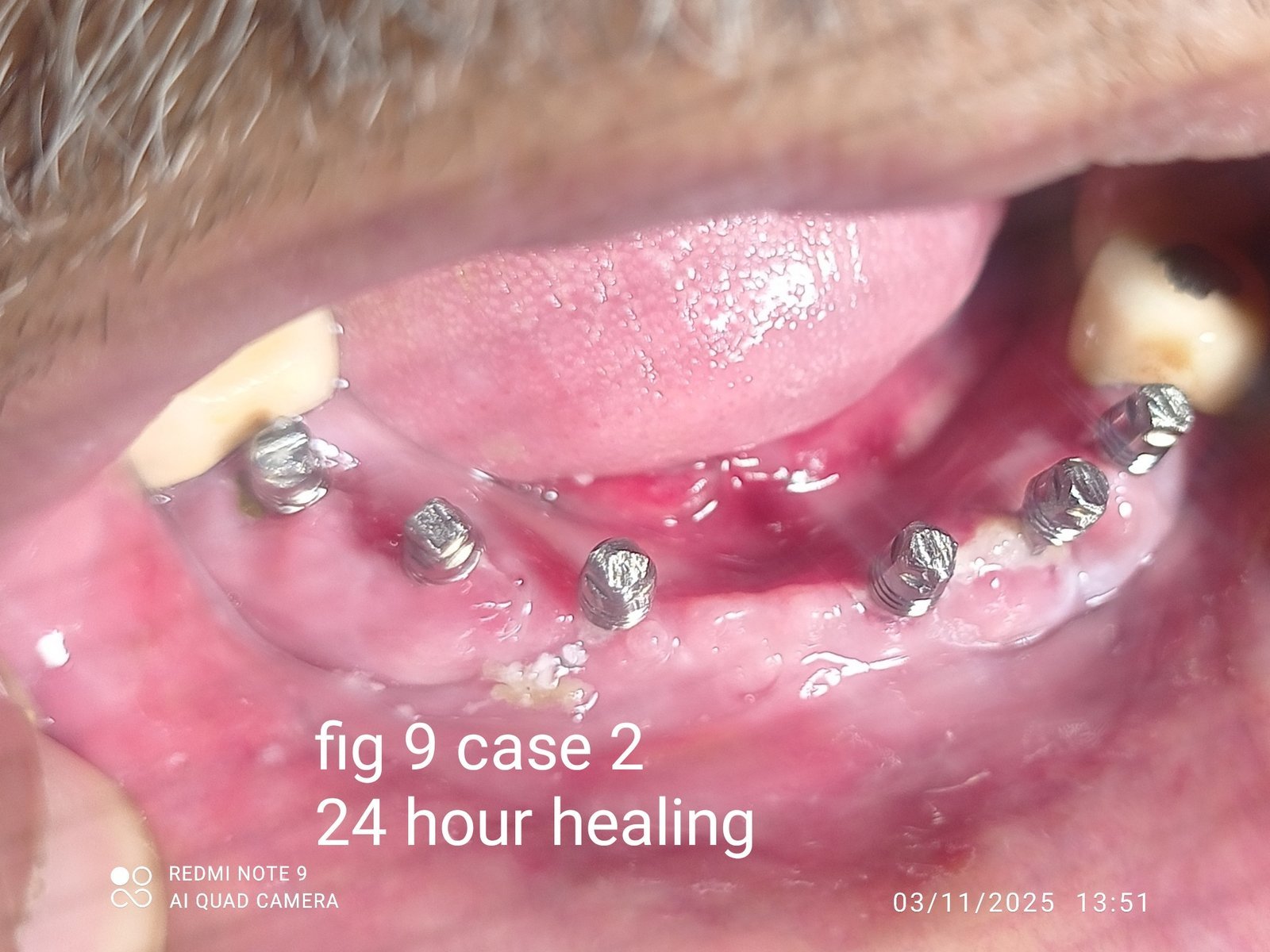
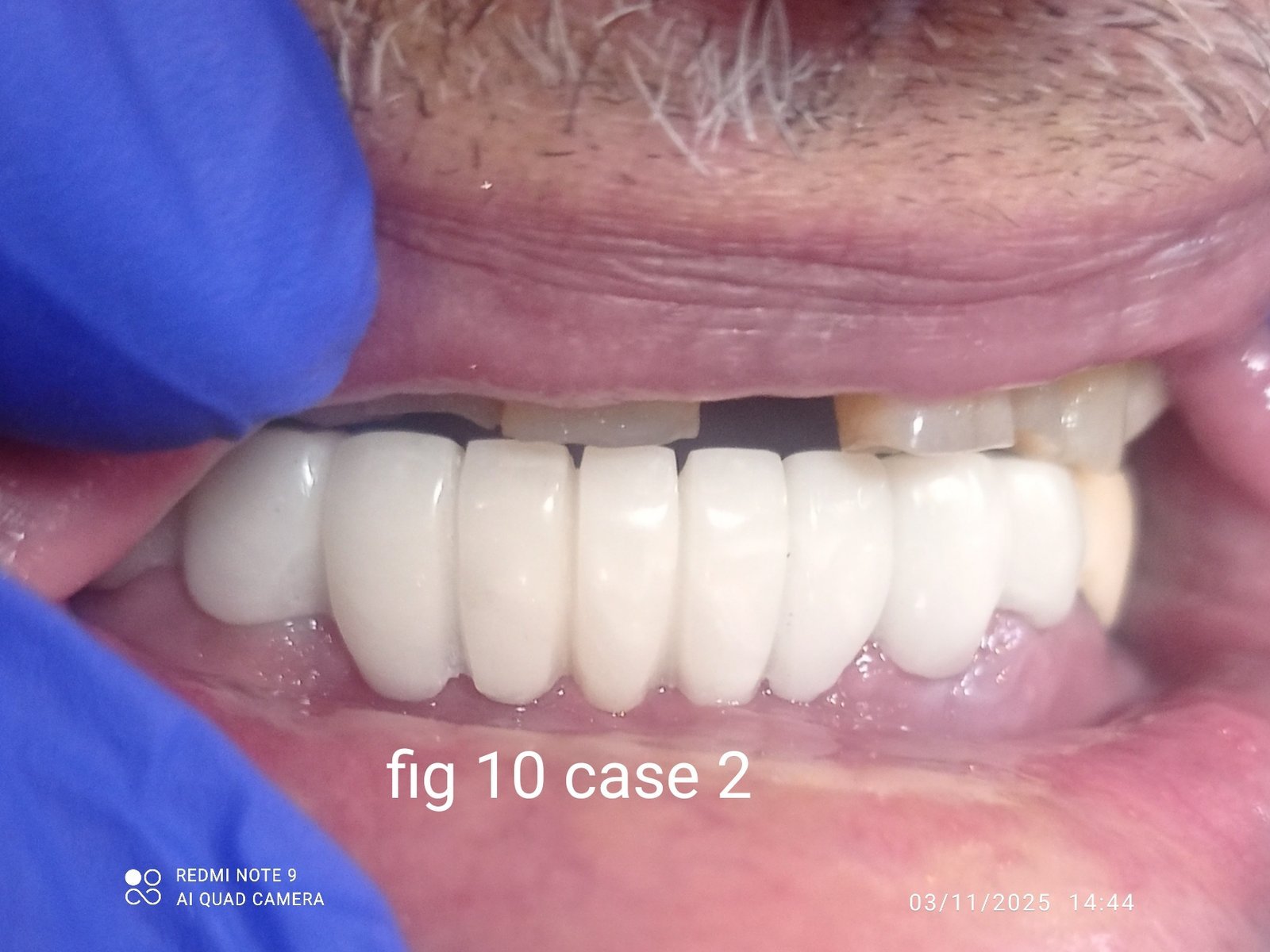
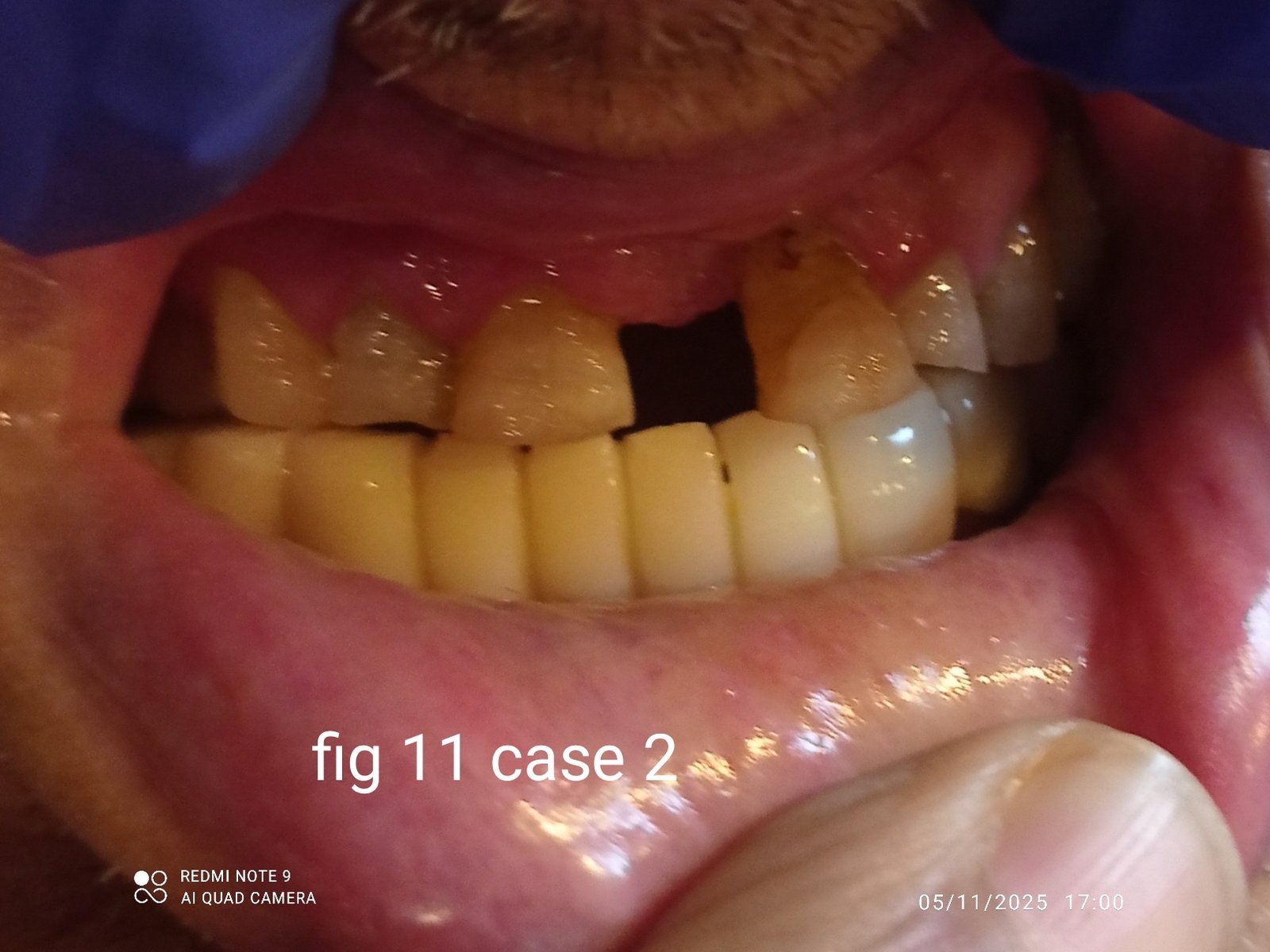
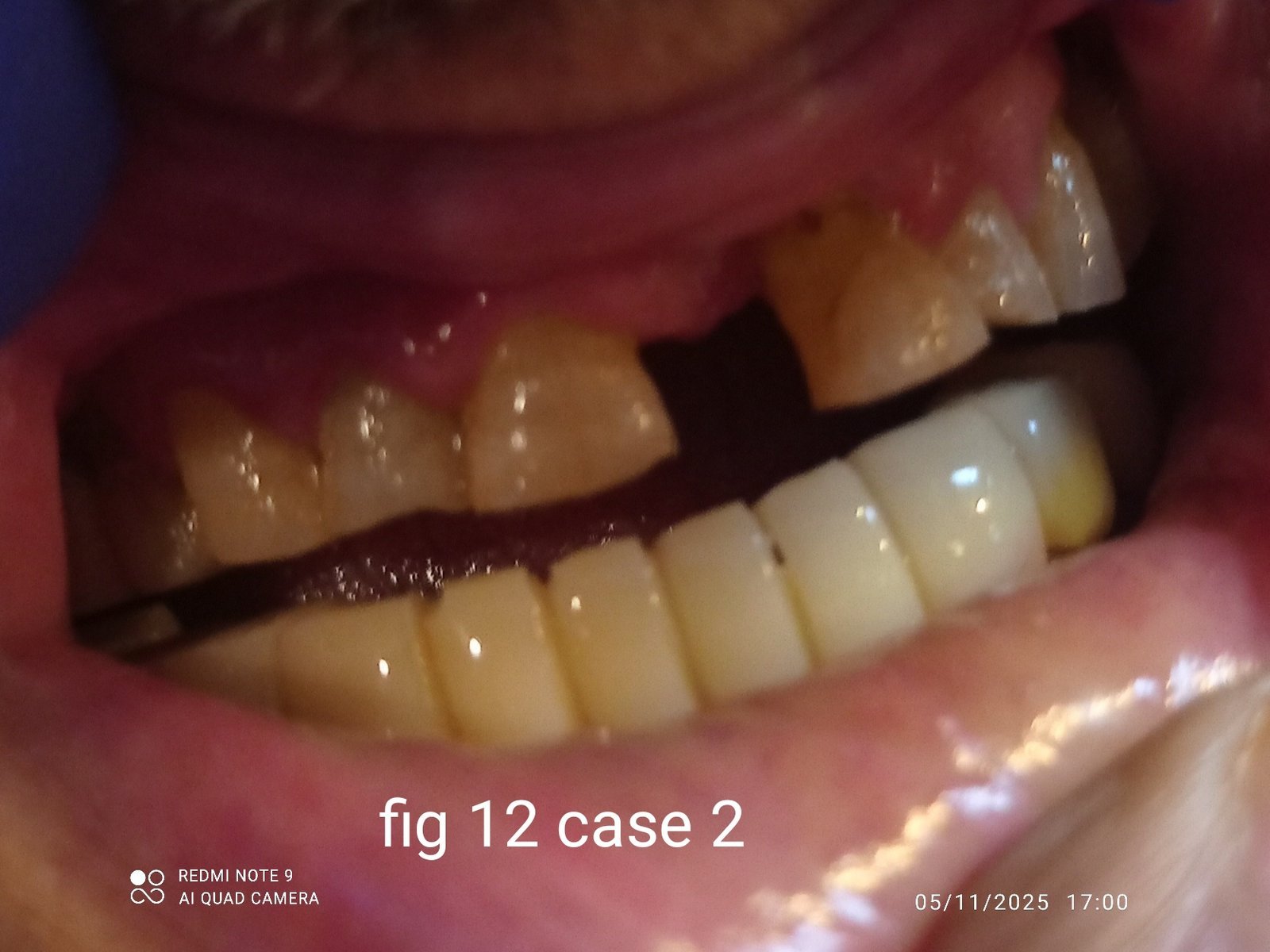


In both cases, Bioline dental implants with gold-plated surfaces were placed following standard surgical protocols. Patients were systemically healthy and indicated for implant-supported prosthetic rehabilitation.
Postoperative healing in both cases was uneventful, with no signs of inflammation, infection, or delayed healing. Clinical and radiographic evaluations demonstrated stable implants and satisfactory osseointegration during follow-up periods.
Patients reported high levels of confidence and psychological satisfaction, particularly due to the perception of gold as a corrosion-resistant and biologically safe material.
DISCUSSION
Gold plating on implant surfaces presents several potential advantages:
- Biocompatibility:
Gold is highly biocompatible, minimizing inflammatory responses and promoting favorable tissue integration. - Antibacterial Properties:
Gold nanoparticles have demonstrated antibacterial activity, potentially reducing peri-implant infection risk. - Corrosion Resistance:
As a noble metal, gold is highly resistant to corrosion, protecting the underlying implant surface from degradation. - Osseointegration Enhancement:
Gold-coated surfaces may positively influence bone healing and implant stability, contributing to predictable osseointegration.
The clinical outcomes observed in these cases suggest that gold-plated implant surfaces may offer both biological and psychological benefits to patients.
CONCLUSION
Within the limitations of this case report, gold-plated dental implant surfaces demonstrated favorable clinical performance, uneventful healing, and satisfactory osseointegration. Gold’s biocompatibility, antibacterial potential, and corrosion resistance make it a promising surface modification in implant dentistry. Further controlled clinical trials and long-term studies are required to validate these findings and establish gold plating as a routine implant surface treatment.
Disclaimer from Guident
The views and opinions expressed in articles published in Guident are solely those of the authors and do not necessarily reflect the views of the editors, the editorial board or the publisher, Ivory India. Guident does not endorse any product, technique or treatment described. Clinical content is intended for qualified dental and medical professionals and is not a substitute for individual clinical judgement. Guident, its editors and the publisher accept no liability for any consequence arising from the use of information published in the journal.
How to cite this article
Dr. Muhammad Shafie. Role of Gold-Plated Implant Surfaces in Dental Implantology: A Report of Two Clinical Cases. Guident. 2025 Dec;19(1). Available from: https://guident.net/articles/implantology/role-of-gold-plated-implant-surfaces-in-dental-implantology-a-report-of-two-clinical-cases.html