A Genetic Perspective of Periodontal Disease
Department of Periodontology, K.D.Dental College and Hospital, Mathura, Uttar Pradesh, India
ABSTRACT
Periodontal diseases are chronic infectious disease in which the pathogenic bacteria initiate the host immune response leading to the destruction of tooth supporting tissue and eventually result in the tooth loss. It has multifactorial etiological factors including local, systemic, environmental and genetic factors. Variations in any number or combination of genes that control the development of the periodontal tissues or the competency of the cellular and humoral immune systems could affect an individual's risk for disease. A corollary of this realization is that if the genetic basis of periodontal disease susceptibility can be understood, such information may have prognosis, diagnostic and therapeutic value. This review aims to update the clinician about various genetic associated with periodontal diseases to aid in a better approach to the condition in the future.
Keywords: genetics, aggressive periodontitis, chronic periodontitis, polymorphisms, syndromes, infectogenomics, epigenetics
INTRODUCTION
Periodontitis is a chronic inflammatory disease with multifactorial etiology. The risk for many diseases, including periodontal diseases, is not borne equally by all individuals in a population.1,2 A variety of microbial, environmental, behavioral, and systemic disease factors are reported to influence the risk for periodontitis.3 An individual’s genetic makeup is a crucial factor influencing their systemic or host response-related risk. The genes encode immune receptors and various molecules involved in the signal transduction pathways that play an essential role in up regulation or down regulation of the immune response essentially the inflammatory reaction in response to a stimulus.
The advantage to know genetic basis of periodontal disease are:
- To understand etiopathogenesis of periodontal disease.
- For accurate diagnosis of periodontal disease.
- To estimate the prognosis of the periodontal disease.
- To provide better therapeutic value to the patient.
A. GENETIC ETIOPATHOGENESIS OF THE PERIODONTAL DISEASE
EVIDENCE FOR THE ROLE OF GENETIC VARIANTS IN PERIODONTAL DISEASE
The evidence of genetics played a role in periodontal disorders first reported in the 1990s. Schafer et al. postulated that a primary determinant of whether individuals developed periodontitis or not was dependent on the way host response to the microbes.4 Kornman et al. found the association of composite genotype (Interleukin-1α and IL-1β) with chronic periodontitis in Caucasian population.5 Researches starts studies in different ethnic races to find correlation of composite genotype with periodontitis. Single nucleotide polymorphisms of various signaling factors, receptors, connective tissue components, enzymes associated in the host defense against the microbes have been reported by many researchers. Genetic alterations could also change the transcript level of the protein, that is, the polymorphism may occur not in the protein coding region but in the gene promoter region, and thus impact the amount of protein produced by the gene.
It is well known aggressive periodontitis is hereditary. Periodontitis is also associated with many syndromes that give evidence to have genetic relation. Various twin studies shows periodontitis have genetic predisposition. Hereditary gingival fibromatosis (HGF) is considered an autosomal dominant disease.6 The SOS1 (son of sevenless one) gene mutation linked to HGF was observed in a large multigenerational Brazilian family segregating. Drug-induced gingival overgrowth is due to inherited variation of phenytoin, cyclosporine or nifedipine metabolism that regulated by P450 cytochrome gene exhibit considerable polymorphism. It may influence patient serum and tissue concentrations and hence their gingival response.7 Several studies have reported on the relationship between HLA expression and the incidence of drug induced gingival overgrowth.7,8
METHOD OF GENETIC ANALYSES IN PERIODONTICS
Methods that are used to find the genetic association in periodontal disease are done by familial aggregation, twin studies, segregation analysis, linkage analysis, and association studies.
FAMILIAL AGGREGATION
Evidence for heritability of certain forms of periodontitis, specifically aggressive (early onset) forms, derive from early observations that these diseases are frequently familial.9,10 During the past 15 years, a number of studies have been carried out to determine how these diseases might be inherited. Saxén stated that the juvenile periodontitis is inherited in an autosomal recessive mode.11 Shapira et al. showed family pedigree is consistent with an autosomal dominant mode of transmission in aggressive periodontitis.12 The results of such studies were not consistent, with results favoring both autosomal recessive13,14,15 and autosomal dominant16 inheritance in different sets of families.
Familial aggregation of various non-syndromic aggressive periodontitis is common finding. The aggregation within families strongly suggests a genetic predisposition.17 It is important to mention that familial patterns may also indicate exposure to common environmental factors within these families. Thus, it is important to acknowledge the common environmental and behavioral risk factors in the family. This includes socioeconomic grouping, education, oral hygiene, same bacterial infection, diseases such as diabetes, and environmental features like passive smoking, sanitation etc. Therefore, the complex interactions between genes and the environment must be considered in the evaluation of familial risk for periodontal diseases.18
TWIN STUDIES
Most twin studies have studied the more prevalent form of periodontitis, which includes chronic periodontitis and chronic gingivitis. Twin studies of periodontitis have limited in scope and in subject numbers. However, twin studies of periodontitis and for clinical indices for periodontal health and disease support a significant heritable component for periodontitis.
Corey et al.19 studied periodontal health in 4908 twin pairs and 9% of subjects (116 identical and 233 non identical twin pairs) reported a history of periodontitis. The concordance rate in disease experience, ranged from 0.23 to 0.38 for monozygous twins, and was much lower (0.08–0.16) for dizygous twins. This suggests that heritable factors are important in the reported periodontitis experience.19
Michalowicz et al.20 researched on dizygous twins reared apart (dizygous-A) and reared together (dizygous-T) and monozygous twins reared apart (monozygous-A) and reared together (monozygous-T). The mean probing depth and clinical attachment level scores were less for monozygous T than for dizygous-T twin pairs. Michalowicz et al.21 studied alveolar bone height and variations related to genotype. The twin groups had same smoking histories and oral hygiene regimens. It was concluded that genetics plays a pivotal role in the individual susceptibility to periodontal disease. In a study of 117 adult twin pairs, Michalowicz and coworkers researched genetic and environmental variances and heritability for gingivitis and chronic periodontitis.22 Genetic and environmental variances and heritability were estimated using models with maximum likelihood estimation techniques. Monozygous twins show more similarity than dizygous twins for all estimated clinical measures. Statistically significant genetic variance was found for both the severity and the extent of disease. Chronic periodontitis was estimated to have approximately 50% heritability, and was unaltered after adjusting for behavioral variables, including smoking. Monozygous twins were also more similar than dizygous twins for gingivitis scores but there was no evidence of heritability for gingivitis after behavioral covariates such as utilization of dental care and smoking were incorporated. These results concluded that approximately half of the variance for chronic periodontitis is due to genetic variance. The heritability of periodontitis appears to be biological rather than behavioral.22
SEGREGATION ANALYSIS
While familial aggregation proposes a heritable part in the etiology of aggressive periodontitis, and twin studies support a hereditary relation in chronic periodontitis, neither of these hereditary models explicitly identify the gene and their loci related to periodontal disease. Segregation analyses can evaluate the relative support for different models to identify the one that most closely represents the clinical data.
Early studies of aggressive forms of periodontitis were hampered by diagnostic classification issues and by an overrepresentation of affected females23, falsely supporting X-linked transmission.24 Linkage reports of aggressive periodontitis in extended kindred from Maryland supported an autosomal dominant transmission.25 A segregation analysis of North American families was performed by Marazita and coworkers, who studied more than 100 families segregating aggressive forms of periodontitis; their results supported an autosomal dominant transmission.16 They concluded that autosomal dominant inheritance with approximately 70% penetrance occurred for both Blacks and non Blacks. The current theory on the genetics of aggressive periodontitis occur due to a major gene locus inherited in an autosomal manner with reduced penetrance; there is evidence for both autosomal recessive15 and autosomal dominant forms.25,16
LINKAGE STUDIES IN AGGRESSIVE PERIODONTITIS
Boughman et al.25 found an autosomal dominant type of inheritance pattern of localized aggressive periodontitis in a distant family from Southern Maryland. In this family, type III dentinogenesis imperfecta and a localized form of aggressive periodontitis are dominant traits. Since dentinogenesis imperfecta-III had been recently found to located to chromosome 4, in linkage analysis on this chromosome shows a relatively close linkage with the locus for aggressive periodontitis.25 It supported autosomal dominant inheritance of a single major gene locus, indicates a major genetic component to cause aggressive periodontitis. Hart et al.26 evaluated support for linkage to this region of chromosome 4 in a different population of families (14 African American and 4 Caucasian). This supports genetic locus heterogeneity of aggressive periodontitis, as they excluded a chromosome 4 major gene locus for aggressive periodontitis in the studied families. Consequently, this Brandywine population seems to have an alternate type of periodontal disorder with a diiferent gene being responsible compared with the African American and Caucasian families studied by Hart and colleagues. These findings support genetic heterogeneity, with at least one gene locus responsible for aggressive periodontitis located on chromosome 4. Recently, Li and coworkers27 reported evidence of a gene responsible for localized aggressive periodontitis located on chromosome 1q25.
SYNDROMIC FORMS OF PERIODONTITIS
Severe periodontitis present as clinical manifestations of several monogenic syndromes and the gene mutation and biochemical defect. They are inherited as simple Mendelian traits due to genetic alterations of a single gene locus. It signifies that a genetic mutation at a single locus can increase susceptibility to periodontitis.
Table: 1 Examples of syndromic forms of periodontitis in which inheritance is Mendelian and due to a genetic alteration at a single gene locus28
|
Condition |
Biochemical ⁄tissue defect |
Inheritance |
|
Papillon–Lefe`vre syndrome |
Cathepsin C |
Autosomal recessive |
|
Haim–Munk syndrome |
Cathepsin C |
Autosomal recessive |
|
Ehlers–Danlos syndrome type IV |
Collagen |
Autosomal dominant |
|
Ehlers–Danlos syndrome 8 |
Collagen |
Autosomal dominant |
|
Cyclic neutropenia |
Neutrophil elastase |
Autosomal dominant |
|
Chronic familial neutropenia |
Defect unknown |
Autosomal dominant |
|
Chediak–Higashi syndrome |
Lysosomal trafficking regulator gene |
Autosomal recessive |
|
Congenital disorder of glycosylation type IIc (Leukocyte adhesion deficiency type 2) |
Glucose diphosphatefucose transporter-1 |
Autosomal recessive |
|
Leukocyte adhesion deficiency type I |
Leukocyte chain adhesion molecule CD18 |
Autosomal recessive |
POLYMORPHISM STUDIES IN PERIODONTITIS
In periodontal disease, researcher has done worked on cellular and molecular level, especially on IL-1,29-31 IL-4,32 IL-6,33-35 TNF-α,36-38 Vitamin-D receptor,39-41 Fc-gamma receptor,42-44 IL-10,45,46 and matrix metalloproteinase.47-51
Studies had analyzed IL1 genetic association with periodontitis in clinical practice. The studies show that composite IL1 genotype is related with severity of periodontitis. It also confirmed that both IL1 genotyping and smoking history provide objective risk factors for periodontal disease.52-55 However, there is variation has been found between the different ethnic groups of IL-1 on periodontitis. Armitage et al. concluded that prevalence of both IL-1A and IL-1B polymorphism dramatically lower in Chinese than Europeans.56 An interaction of IL-1 positive genotype with age, smoking, and Porphyromonas gingivalis which recommends that IL1 genotype is a contributory yet non essential risk factor for periodontal disease progresssion in this population.57 Diehl et al. researched linkage disequilibrium of IL 1 genetic polymorphism with aggressive periodontitis. They chose 28 African American families and seven Caucasian American families with at least two impacted individuals. IL-1A and IL-1B polymorphism were in strong disequilibrium with each other in Caucasians but not in African-Americans. Results showed that aggressive periodontitis as a complex, oligogenic disorder, with IL-1 genetic variation contributing an important but not exclusive influence on disease risk.58 Papapanou et al. analyzed a IL-1 gene polymorphism and periodontal disease in a case–control study. No relation between genotype positive and subgingival microbial profile was observed. Genotype positive patients revealed both overall lower serum antibody level and specific titers against selected bacteria. Thus, composite genotype failed to distinguish between periodontitis patients and controls but correlated in patients with the severity of disease and antibody responses to periodontal microbiota.59
Table: 2 Various gene polymorphisms which have been investigated for their role in periodontal disease60
|
Cytokines And Chemokine Receptor Polymorphisms |
Metabolism-Related Receptor Polymorphisms |
Antigen Recognition-Related Polymorphisms |
Immunoreceptors-Relate d Polymorphisms |
Miscellaneous Gene Polymorphisms |
|
Interleukins (IL–1, –2, –4, –6, –10) |
Vitamin D Receptor (VDR) |
Human leukocyte antigens (HLA) |
Fc-Gamma Receptor (FCγR) |
Angiotensin-converting enzyme (ACE) |
|
Tumor necrosis factor (TNF) |
Calprotectin |
CD14 molecule |
Cathepsins (CTS–B, –D, –G, –L) |
Type 1 collagen |
|
Transforming growth factor–β (TGF–β) |
N-acetyltransferase 2 (NAT2) |
n-formyl-L-methionyl-L-leucyl-L -phenylalanine (nFMLP) / Formyl peptide receptor (FPR) |
Toll-like receptor (TLR-2, -4) |
Endothelial nitric oxide synthase (eNOS) |
|
Interleukin-enhancing binding factor (ILF) |
Matrix metalloproteinases (MMPs) |
Prostaglandin-family (PTG) |
Estrogen receptor-2 |
|
|
IL–6 signal transducer (IL6ST) |
Tissue inhibitor of metalloproteinases (TIMP–1, –2, –3) |
Hydroprostaglandin dehydrogenase (HPGD) |
Fibrinogen |
|
|
Interferon–γ receptor 1 (IFNGR1) |
Receptor for advanced glycation end-products (RAGE) |
Bactericidal/ permeability increasing protein |
Glutathione-S-transferase-M1, -T1 |
|
|
Caspase recruitment domain-15 |
Osteoprotegrin (OPG), osteopontin (OPN) |
Cytotoxic T-lymphocyte antigen-4 |
Lactoferrin |
|
|
Chemokine receptor-5 (CCR5) |
Human β defensin β1 |
Plasminogen activator inhibitor |
||
|
Fas ligand |
E-selectin, L-selectin |
Tissue plasminogen activator (t-PA) |
||
|
Lymphotoxin |
Intercellular adhesion molecule-1 |
SOS1 gene |
||
|
Regulated on Activation Normal T Cell Expressed and Secreted (RANTES) |
Mannose binding protein |
EPIGENETIC MODIFICATIONS
Epigenetic modifications such as DNA methylation, histone modifications and RNA-associated silencing (micro RNA) play a role in susceptibility to disease. These modifications express or repress certain genes. Loo et al. in their study showed that methylation of E-Cadherin and COX-2 was observed in periodontitis patients. Nahid et al. demonstrated the expression of miR-146a in infections caused by periodontopathic bacteria. Park et al. in their study observed that miRNA-132 played a major role in pathogenesis induced by P. Gingivalis. Several studies have reported the influence of various microRNAs especially miR-146a, let-7a, miR-196a, miR-499a, and miR-125a in susceptibility to chronic periodontitis.61-63 Priyanka et al. in their study have found association of microRNA-125a and microRNA-499a polymorphisms with chronic periodontitis in south Indian population.64
INFECTOGENOMICS
The role of genetic in pathogens colonisation is emerged as a new field as “infectogenomics”. It was first defined by Kellam and Weiss (2006) in the study of relation found between host genetic variations and colonisation by pathogens.65 The infectogenomics conveys that the genetic defects in the recognition and response of the individual predispose to either change in microbial colonisation or misrecognition of normal microbiota cause dysbiosis.66
The recent meta-analysis by Nibali et al. has shown an association of 13 host genetic variants with the red/orange complex bacteria in periodontitis. The study by Divaris et al. has shown an association of two genetic loci (KCNK1 and DAB2IP) with high colonization of red complex bacteria.67,68 A more detailed knowledge of the human oral microbiome could provide more information on its association with host genetic variants.
B. PROGNOSTIC TESTS
The currently available genetic test for the IL-1 genetic polymorphisms associated with periodontitis severity. In principal, when administered to an individual with little or no disease, this test putatively provides an estimate of the likelihood that a patient will ultimately develop severe periodontitis. Available data do not definitively imply that a patient with the polymorphisms associated with severe disease will develop severe disease, because a proportion of patients without severe disease will be ‘genotype positive’ and a proportion with severe disease will be ‘genotype negative’.69 Thus, in a manner similar to most attempts to predict the future, even following the application of scientific data, there are false-positive and false-negative testing results. Nevertheless, the test predicts likelihood that the patient will have severe disease.
C. DIAGNOSTIC TEST
Most clinicians would agree that current routine diagnostic methods for detecting periodontitis are nothing more than recordings of the history of previous destructive disease. Many researchers has been performed several studies to detect active disease or subclinical initiation of disease for proper treatment plan.
The currently immutable genetic susceptibility profile for an individual can be used to develop assays of the patient’s variable gene expression profile at any given time. This would require identification of the baseline ‘activity’ of susceptibility genes in subjects with no disease and the change in activity that occurs during and as a result of initiation or progression of disease.
Once the genetic risk and specific genetic risk factors for a given patient are known, tests of gene activation might be individually targeted and test intervals could be tailored to the susceptible patient. Furthermore, the specific environmental exposures leading to gene activation may be more clearly known.
D. GENE THERAPY IN PERIODONTICS
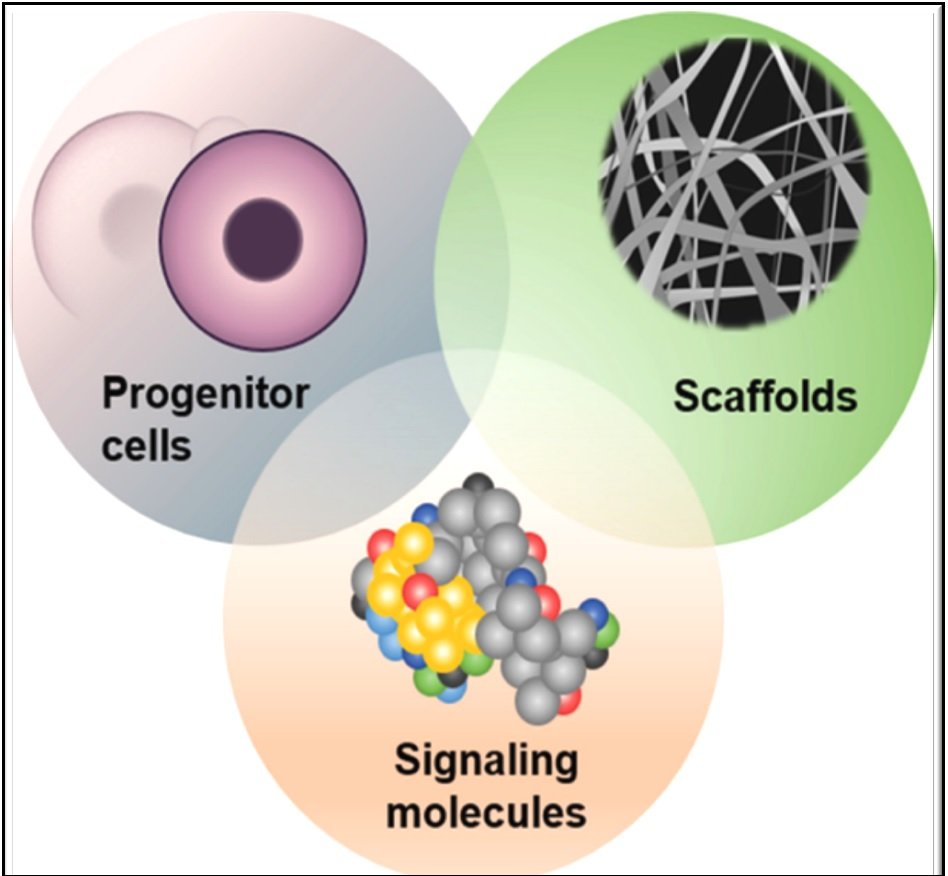
There have been tremendous advances in gene therapy relevant to dentistry since 1995. Even in the field of periodontics, it has been studied extensively. Currently genetic principles are being applied along with tissue engineering for periodontal rehabilitation. Approaches for regenerating tooth-supporting structures:
(A) Guided tissue regeneration uses a cell occlusive barrier membrane to restore periodontal tissues.
(B) Alternatively, an example of gene therapy uses vector-encoding growth factors aimed at stimulating the regeneration of host cells derived from the periodontium.
In vivo, Gene therapy is done by targeting the gene delivery system to the desired cell type in the patient using either physical means such as tissue injection (brain tumor) or biolistics (dermal DNA vaccination), or potentially in the future, using systemic infusion of cell-specific receptor-mediated DNA carriers (reconstructed liposome’s or viruses). Ex vivo gene therapy is performed by transfecting or infecting patient-derived cells in culture with vector DNA and then reimplanting the transfected cells into the patient. Two types of ex vivo gene therapies under development are those directed at fibroblasts and hematopoietic stem cells.
Recently various trial have been done Platelet derived growth factor PDGF using Plasmid70 and Ad/PDGF gene deliver,71 for regeneration of periodontal tissue. Early studies in dental applications using recombinant adenoviral vectors that encode PDGF demonstrated the ability of these vectors constructs to transduce potently the cells isolated from the periodontium (eg osteoblasts, cementoblats, PDL cells, and gingival fibroblasts).72 continuous exogenous delivery of PDGF-α may delay mineral formation induced by cementoblasts, whereas PDGF clearly is required for mineralneogenesis.73 Jin et al., demonstrated in their study that direct in vivo gene transfer of PDGF-B stimulated tissue regeneration in large periodontal defects.74 Anusaksathien et al., reported that in an ex vivo investigation, showed that the expression of PDGF genes was prolonged for up to 10 days in gingival wounds.75 Dunn et al., demonstrated that in case of direct in vivo gene delivery of Ad/BMP-7 in a collagen gel carrier promoted successful regeneration of alveolar bone defects around dental implants.76
Future Strategies of Gene Therapy in Preventing Periodontal Diseases77
They are as following:
- Gene Therapeutics-Periodontal Vaccination
- Genetic Approach to Biofilm Antibiotic Resistance
- An In vivo Gene Transfer by Electroporation for Alveolar Remodeling
- Antimicrobial Gene Therapy to Control Disease Progression
- Designer Drug Therapy in Treating Periodontal Disease
CONCLUSION
With the new available technologies and the fast growing body of related knowledge, the prospects are very promising. Elucidation of the genetic basis of periodontitis should permit a better understanding of disease etiology, allowing improved classification, diagnosis, and treatment of periodontal diseases. The genetic basis of periodontal disease is moving from experimental evidence to a more consistent translation effect on diagnosis and development of new strategies to modulate the host.
REFERENCES
- Jenkins WM, Kinane DF. The high risk group in periodontitis. Br Dent J 1989: 167: 168–171.
- Johnson NW, Griffiths GS, Wilton JM, Maiden MF, Curtis MA, Gillett IR, Wilson DT, Sterne JA. Detection of highrisk groups and individuals for periodontal diseases. Evidence for the existence of high-risk groups and individuals and approaches to their detection. J Clin Periodontol 1988: 15: 276–282.
- Page RC, Beck JD. Risk assessment for periodontal diseases. Int Dent J 1997: 47: 61–87.5
- Shlafer S, Riep B, Griffen AL, Petrich A, Hubner J, Berning M, et al. Filifactor alocis—Involvement in periodontal biofilms. BMC Microbiology. 2010;10(66):1-13.
- Kornman KS, Crane A, Wang HY, Giovlne FS, Newman MG, Pirk FW, et al. The interleukin-1 genotype as a severity factor in adult periodontal disease. Journal of Clinical Periodontology. 1997;24(1):72-77.
- Hart TC, Zhang Y, Gorry MC, et al. A Mutation in the SOS1 Gene Causes Hereditary Gingival Fibromatosis Type 1. Am J Hum Genet 2002; 70: 943–954.
- Seymour RA, Ellis JS, Thomason JM. Risk factors for drug-induced gingival overgrowth. J Clin Periodontol 2000; 27: 217–222.
- Cebeci I, Kantarci A, Firatli E, et al. Evaluation of the frequency of HLA determinants in patients with gingival overgrowth induced by cyclosporine-A. J Clin Periodontol 1996; 23: 737-742.
- Benjamin SD, Baer PN. Familial patterns of advanced alveolar bone loss in adolescence (periodontosis). Periodontics 1967: 5: 82–88
- Butler JH. A familial pattern of juvenile periodontitis (periodontosis). J Periodontol 1969: 40: 115–118.
- Saxén L. Juvenile periodontitis. J Clin Periodontol 1980;7:1?9.
- Shapira L, Schlesinger M, Bimstein E. Possible autosomal?dominant inheritance of prepubertal periodontitis in an extended kindred. J Clin Periodontol 1997;24:388?93.
- Beaty TH, Boughman JA, Yang P, Astemborski JA, Suzuki JB. Genetic analysis of juvenile periodontitis in families ascertained through an affected proband. Am J Hum Genet 1987: 40: 443–452.
- Long JC, Nance WE, Waring P, Burmeister JA, Ranney RR. Early onset periodontitis: a comparison and evaluation of two proposed modes of inheritance. Genet Epidemiol 1987: 4: 13–24.
- Saxen L, Nevanlinna HR. Autosomal recessive inheritance of juvenile periodontitis: test of a hypothesis. Clin Genet 1984: 25: 332–335
- Marazita ML, Burmeister JA, Gunsolley JC, Koertge TE, Lake K, Schenkein HA. Evidence for autosomal dominant inheritance and race-specific heterogeneity in early-onset periodontitis. J Periodontol 1994: 65: 623–630.
- Nibali L, Donos N, Brett PM, Parkar M, Ellinas T, Llorente M, et al. A familial analysis of aggressive periodontitis - clinical and genetic findings. J Periodontal Res. 2008 Dec;43(6):627-34.
- Kinane DF, Hart TC. Genes and gene polymorphisms asociated with periodontal disease. Crit Rev Oral Biol Med. 2003;14(6):430-49.
- Corey LA, Nance WE, Hofstede P, Schenkein HA. Selfreported periodontal disease in a Virginia twin population. J Periodontol 1993: 64: 1205–1208.
- Michalowicz BS, Aeppli D, Virag JG, Klump DG, Hinrichs JE, Segal NL, Bouchard TJ Jr, Pihlstrom BL. Periodontal findings in adult twins. J Periodontol 1991: 62: 293–299.
- Michalowicz BS, Aeppli DP, Kuba RK, Bereuter JE, Conry JP, Segal NL, Bouchard TJ Jr, Pihlstrom BL. A twin study of genetic variation in proportional radiographic alveolar bone height. J Dent Res 1991: 70: 1431–1435.
- Michalowicz BS, Diehl SR, Gunsolley JC, Sparks BS, Brooks CN, Koertge TE, Califano JV, Burmeister JA, Schenkein HA.Evidence of a substantial genetic basis for risk of adult periodontitis. J Periodontol 2000: 71: 1699–1707.
- Hart TC, Marazita ML, Schenkein HA, Brooks CN, Gunsolley JG, Diehl SR. No female preponderance in juvenile periodontitis after correction for ascertainment bias. J Periodontol 1991: 62: 745–749.
- Hart TC, Marazita ML, Schenkein HA, Diehl SR. Re-interpretation of the evidence for X-linked dominant inheritance of juvenile periodontitis. J Periodontol 1992: 63: 169–173.
- Boughman JA, Halloran SL, Roulston D, Schwartz S, Suzuki JB, Weitkamp LR, Wenk RE, Wooten R, Cohen MM. An autosomal-dominant form of juvenile periodontitis: its localization to chromosome 4 and linkage to dentinogenesis imperfecta and Gc. J Craniofac Genet Dev Biol 1986: 6: 341–350.
- Hart TC, Marazita ML, McCanna KM, Schenkein HA, Diehl SR. Reevaluation of the chromosome 4q candidate region for early onset periodontitis. Hum Genet 1993: 91: 416–422.
- Li Y, Xu L, Hasturk H, Kantarci A, DePalma SR, Van Dyke TE. Localized aggressive periodontitis is linked to human chromosome 1q25. Hum Genet 2004: 114: 291–297.
- Kinane DF, Shiba H, Hart TC. The genetic basis of periodontitis. Periodontol 2000. 2005;39:91-117.
- Laine ML, Farré MA, González G, van Dijk LJ, Ham AJ, Winkel EG, et al. Polymorphisms of the interleukin?1 gene family, oral microbial pathogens, and smoking in adult periodontitis. J Dent Res 2001;80:1695?9.
- Archana PM, Salman AA, Kumar TS, Saraswathi PK, Panishankar KH, Kumarasamy P, et al. Association between interleukin?1 gene polymorphism and severity of chronic periodontitis in a south Indian population group. J Indian Soc Periodontol 2012;16:174?8.
- Sakellari D, Koukoudetsos S, Arsenakis M, Konstantinidis A. Prevalence of IL1A and IL?I B polymorphisms in a Greek population. J Clin Periodontol 2003;30:35?41.
- Gonzales JR, Kobayashi T, Michel J, Mann M, Yoshie H, Meyle J, et al. Interleukin?4 gene polymorphisms in Japanese and Caucasian patients with aggressive periodontitis. J Clin Periodontol 2004;31:384?9.
- Holla LI, Fassmann A, Stejskalová A, Znojil V, Van?k J, Vacha J. Analysis of the interleukin?6 gene promoter polymorphisms in Czech patients with chronic periodontitis. J Periodontol 2004;75:30?6.
- Nibali L, D’Aiuto F, Donos N, Griffiths GS, Parkar M, Tonetti MS, et al. Association between periodontitis and common variants in the promoter of the interleukin?6 gene. Cytokine 2009;45:50?4.
- Komatsu Y, Tai H, Galicia JC, Shimada Y, Endo M, Akazawa K, et al. Interleukin?6 (IL?6)??373 A9T11 allele is associated with reduced susceptibility to chronic periodontitis in Japanese subjects and decreased serum IL?6 level. Tissue Antigens 2005;65:110?4.
- Galbraith GM, Steed RB, Sanders JJ, Pandey JP. Tumor necrosis factor alpha production by oral leukocytes: Influence of tumor necrosis factor genotype. J Periodontol 1998;69:428?33.
- Fassmann A, Holla LI, Buckova D, Vasku A, Znojil V, Vanek J, et al. Polymorphisms in the +252(A/G) lymphotoxin?alpha and the ?308(A/G) tumor necrosis factor?alpha genes and susceptibility to chronic periodontitis in a Czech population. J Periodontal Res 2003;38:394?9.
- Shimada Y, Tai H, Endo M, Kobayashi T, Akazawa K, Yamazaki K, et al. Association of receptor type 2 +587 gene polymorphism with severe chronic periodontitis. J Clin Periodontol 2004;31:463?9.
- de Brito Júnior RB, Scarel?Caminaga RM, Trevilatto PC, de Souza AP, Barros SP. Polymorphisms in the Vitamin D receptor gene are associated with periodontal disease. J Periodontal 2004;75:1090?5.
- Amano Y, Komiyama K, Makishima M. Vitamin D and periodontal disease. J Oral Sci 2009;51:11?20.
- Park KS, Nam JH, Choi J. The short Vitamin D receptor is associated with increased risk for generalized aggressive periodontitis. J Clin Periodontol 2006;33:524?8.
- Kobayashi T, Yamamoto K, Sugita N, van der Pol WL, Yasuda K, Kaneko S, et al. The fc gamma receptor genotype as a severity factor for chronic periodontitis in Japanese patients. J Periodontol 2001;72:1324?31.
- Nicu EA, Van der Velden U, Everts V, Van Winkelhoff AJ, Roos D, Loos BG, et al. Hyper?reactive PMNs in fcgammaRIIa 131 H/H genotype periodontitis patients. J Clin Periodontol 2007;34:938?45.
- Chung HY, Lu HC, Chen WL, Lu CT, Yang YH, Tsai CC, et al. Gm (23) allotypes and fcgamma receptor genotypes as risk factors for various forms of periodontitis. J Clin Periodontol 2003;30:954?60.
- Berglundh T, Donati M, Hahn?Zoric M, Hanson LA, Padyukov L. Association of the ?1087 IL 10 gene polymorphism with severe chronic periodontitis in Swedish Caucasians. J Clin Periodontol 2003;30:249?54.
- Scarel?Caminaga RM, Trevilatto PC, Souza AP, Brito RB, Camargo LE, Line SR, et al. Interleukin 10 gene promoter polymorphisms are associated with chronic periodontitis. J Clin Periodontol 2004;31:443?8.
- de Souza AP, Trevilatto PC, Scarel?Caminaga RM, Brito RB, Line SR. MMP?1 promoter polymorphism: Association with chronic periodontitis severity in a Brazilian population. J Clin Periodontol 2003;30:154?8.
- Ingman T, Tervahartiala T, Ding Y, Tschesche H, Haerian A, Kinane DF, et al. Matrix metalloproteinases and their inhibitors in gingival crevicular fluid and saliva of periodontitis patients. J Clin Periodontol 1996;23:1127?32.
- Itagaki M, Kubota T, Tai H, Shimada Y, Morozumi T, Yamazaki K, et al. Matrix metalloproteinase?1 and ?3 gene promoter polymorphisms in Japanese patients with periodontitis. J Clin Periodontol 2004;31:764?9.
- Pirhan D, Atilla G, Emingil G, Sorsa T, Tervahartiala T, Berdeli A, et al. Effect of MMP?1 promoter polymorphisms on GCF MMP?1 levels and outcome of periodontal therapy in patients with severe chronic periodontitis. J Clin Periodontol 2008;35:862?70.
- Hollá LI, Jurajda M, Fassmann A, Dvorakova N, Znojil V, Vacha J, et al. Genetic variations in the matrix metalloproteinase?1 promoter and risk of susceptibility and/or severity of chronic periodontitis in the Czech population. J Clin Periodontol 2004;31:685?90.
- McDevitt MJ, Wang HY, Knobelman C, Newman MG, di Giovine FS, Timms J, et al. Interleukin?1 genetic association with periodontitis in clinical practice. J Periodontol 2000;71:156?63.
- Ishihara Y, Nishihara T, Kuroyanagi T, Shirozu N, Yamagishi E, Ohguchi M, et al. Gingival crevicular interleukin?1 and interleukin?1 receptor antagonist levels in periodontally healthy and diseased sites. J Periodontal Res 1997;32:524?9.
- Galbraith GM, Hendley TM, Sanders JJ, Palesch Y, Pandey JP. Polymorphic cytokine genotypes as markers of disease severity in adult periodontitis. J Clin Periodontol 1999;26:705?9.
- McGuire M, Nunn M. Prognosis versus actual outcome IV. The effectiveness of clinical parameters and IL?I genotype in accurately predicting. Prognoses and tooth survival. J Periodontol 1999;70:49?56.
- Armitage GC, Wu Y, Wang HY, Sorrell J, di Giovine FS, Duff GW, et al. Low prevalence of a periodontitis?associated interleukin?1 composite genotype in individuals of Chinese heritage. J Periodontol 2000;71:164?71.
- Cullinan MP, Westerman B, Hamlet SM, Palmer JE, Faddy MJ, Lang NP, et al. A longitudinal study of interleukin?1 gene polymorphisms and periodontal disease in a general adult population. J Clin Periodontol 2001;28:1137?44.
- Diehl SR, Wang Y, Brooks CN, Burmeister JA, Califano JV, Wang S, et al. Linkage disequilibrium of lL?1 genetic polymorphisms with early onset periodontitis. J Periodontal 1999;70:418?30.
- Papapanou PN, Neiderud AM, Sandros J, Dahlén G. Interleukin?1 gene polymorphism and periodontal status. A case?control study. J Clin Periodontol 2001;28:389?96
- Gandhi, Megha & Kothiwale, Shaila. (2012). Association of Periodontal Diseases with Genetic Polymorphisms. International Journal of Genetic Engineering. 2. 19-27.
- Nahid MA, Rivera M, Lucas A, Chan EK, Kesavalu L. Polymicrobial infection with periodontal pathogens specifically enhances microRNA miR-146a in ApoE−/− mice during experimental periodontal disease. Infection and Immunity. 2011;79(4):1597-1605
- Perri R, Nares S, Zhang S, Barros SP, Offenbacher S. MicroRNA modulation in obesity and periodontitis. Journal of Dental Research. 2012;91(1):33-38
- Kebschull M, Papapanou PN. Mini but mighty: Micro RNA s in the pathobiology of periodontal disease. Periodontology 2000. 2015 Oct;69(1):201-220
- Venugopal P, Lavu V, Rao SR, Venkatesan V. Association of microRNA-125a and microRNA-499a polymorphisms in chronic periodontitis in a sample south Indian population: A hospital-based genetic association study. Gene. 2017;631:10-15
- Kellam P, Weiss RA. Infectogenomics: insights from the host genome into infectious diseases. Cell. 2006;124(4):695–7.
- Nibali L, Henderson B, Sadiq ST, Donos N. Genetic dysbiosis: the role of microbial insults in chronic inflammatory diseases. J Oral Microbiol. 2014; 25(6):229-62
- Nibali L, Di Iorio A, Onabolu O, Lin GH. Periodontal infectogenomics: Systematic review of associations between host genetic variants and subgingival microbial detection. Journal of Clinical Periodontology. 2016;43(11):889-900
- Divaris K, Monda KL, North KE, Olshan AF, Lange EM, Moss K, et al. Genome-wide association study of periodontal pathogen colonization. Journal of Dental Research. 2012;91(7_suppl):S21-S26
- Kornman KS, Crane A, Wang HY, di Giovine FS, Newman MG, Pirk FW, Wilson TG, Higginbottom FL, Jr, Duff GW. The interleukin-1 genotype as a severity factor in adult periodontal disease. J Clin Periodontol 1997: 24: 72–77.
- Printz MA, Gonzalez AM, Cunningham M, Gu DL, Ong M, Pierce GF, et al. Fibroblast growth factor 2-retargeted adenoviral vectors exhibit a modified biolocalization pattern and display reduced toxicity relative to native adenoviral vectors. Hum Gene Ther 2000;11:191-204.
- Zhu Z, Lee CS, Tejeda KM, Giannobile WV. Gene transfer and expression of platelet-derived growth factors modulate periodontal cellular activity. J Dent Res 2001;80:892-7.
- Anusaksathien O, Jin Q, Zhao M, Somerman MJ, Giannobile WV. Effect of sustained gene delivery of platelet-derived growth factor or its antagonist (PDGF-1308) on tissue-engineered cementum. J Periodontol 2004;75:429-40.
- Jin QM, Anusaksathien O, Webb SA, Rutherford `RB, Giannobile WV. Engineering of tooth- supporting structures by delivery of PDGF gene therapy vectors. Mol Ther 2004;9:519-26.
- Anusaksathien O, Webb SA, Jin QM, Giannobile WV. Platelet- derived growth factor gene delivery stimulates ex vivo gingival repair. Tissue Eng 2003;9:745-56.
- Kaiger D, Cirelli JA, Giannobile WV. Growth factor delivery for oral and periodontal tissue engineering. Expert Opin Drug Deliv 2006;3:647-62.
- SharmaA, HonmaK, EvansTR, HrubyDE. Oral immunization with recombinant Streptococcus gordonii expressing Porphyromonas gingivalis Fim A Domains. Infect Immun 2001;69:2928-34
- Chatterjee, Anirban & Singh, Nidhi & Saluja, Mini. (2013). Gene therapy in periodontics. Journal of Indian Society of Periodontology. 17. 156-61.
Disclaimer from Guident
The views and opinions expressed in articles published in Guident are solely those of the authors and do not necessarily reflect the views of the editors, the editorial board or the publisher, Ivory India. Guident does not endorse any product, technique or treatment described. Clinical content is intended for qualified dental and medical professionals and is not a substitute for individual clinical judgement. Guident, its editors and the publisher accept no liability for any consequence arising from the use of information published in the journal.
How to cite this article
Dr. Ritu Agrawal, Dr. Shailendra Chauhan, Dr. Aditya Sinha. A Genetic Perspective of Periodontal Disease. Guident. 2023 May;16(6). Available from: https://guident.net/articles/periodontics/a-genetic-perspective-of-periodontal-disease.html