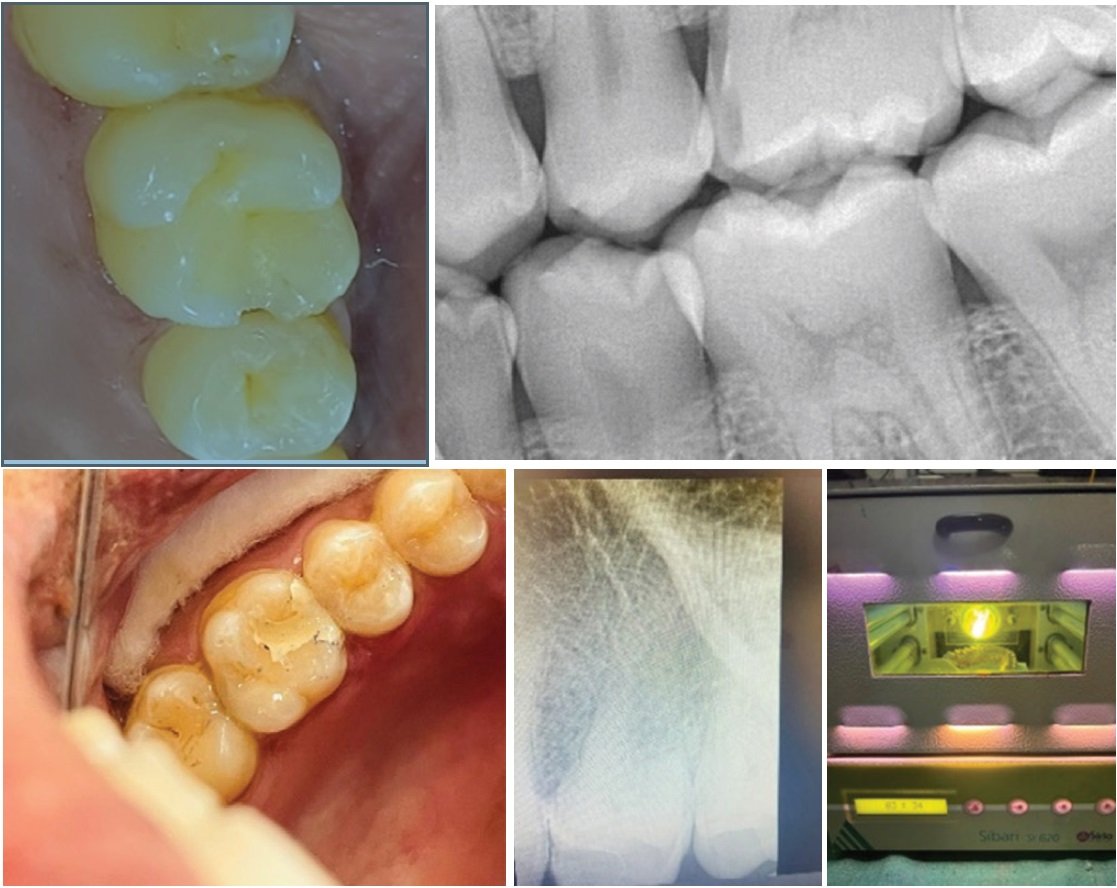
Comprehensive Investigation and Meta-Analysis to Examine the Success Outcome of Pulpotomy in Permanent Teeth with Symptomatic Irreversible Pulpitis Using Mineral Trioxide Aggregate and Biodentine
Mumbai
ACKNOWLEDGEMENT
The authors of this research article express their heartfelt gratitude to Dr. Olugbenga Akinsanya for his invaluable contributions, insightful guidance, and unwavering support throughout the development of this article. His expertise and encouragement have greatly enriched this work.
ABSTRACT
Symptomatic irreversible pulpitis is a diagnostic criterion in which pulp is incapable of healing and patient experiences lingering and spontaneous pain. This systematic review was conducted to assess the patient-based outcome for clinical and radiological success rate of cases managed with MTA and Biodentine pulpotomy in symptomatic irreversible pulpitis. A search of the literature was conducted using the different electronic databases like Google Scholar, PubMed and Research Gate. In accordance with the inclusion and exclusion criteria, the articles were searched and taken into consideration. After doing a statistical analysis on the combined data, conclusions were drawn. According to the results of the current study, both MTA and Biodentine can be used for pulpotomy in symptomatic irreversible pulpitis with Biodentine showing slightly superior response clinically and radiologically.
Key Words: MTA, Biodentine, Symptomatic Irreversible Pulpitis, Full Pulpotomy, Partial Pulpotomy, Irreversible Pulpitis
INTRODUCTION
Pulpotomy plays a very crucial role in maintaining the vitality of mature permanent teeth with symptomatic irreversible pulpitis. Symptomatic irreversible pulpitis is characterized by inflammation of the dental pulp with sharp, shooting lancinating pain specifically with postural changes and at night which necessities for treatment to reduce symptoms and prevent further pulpal and periapical destruction.
Traditional root canal therapy is considered the choice of treatment for symptomatic irreversible pulpitis but off lately research has shown pulpotomy can be used for emergency management of irreversible pulpitis with recently developed biocompatible and minimal invasive material like MTA and Biodentine (BD) which has shown excellent results in recent times.
Mineral Trioxide Aggregate was developed by Mahmoud Torabinejad in 1990s. MTA was used initially in endodontics as root end filling material because of its better sealing ability making it impermeable against microleakage, biocompatibility and bio-inductive properties. MTA is highly versatile material also used for direct pulp capping, apexogenesis, apexification, pulpotomy, perforation repair, internal root resorption and external root resorption.
MTA is composed of dicalcium silicate, tricalcium silicate, tricalcium aluminate, tetra calcium aluminoferrite, free calcium oxide, bismuth oxide and calcium sulphate. Setting reaction of this material undergoes a complex reaction, forming calcium hydroxide and calcium silicate hydrate gel which facilitates in formation of hydroxyapatite when it comes in contact with physiological fluids and also releases calcium ions, which promotes biologically active environment which further helps in hard tissue formation, mineralization and dentin bridge formation. These properties favour the material to be used as pulpotomy agent in irreversible pulpitis cases.1
Biodentine, also known as bioactive dentin substitute was introduced in 2009 by Septodont. It is Composed of powder and liquid. Powder consists of tricalcium silicate, dicalcium silicate, iron oxide, zirconium oxide and calcium carbonate. Liquid consists of water, calcium chloride and hydro soluble polymer.
One of the exemplary features of Biodentine is its fast-setting time due to calcium chloride which acts as accelerator and hydro soluble polymer which is water reducing agent. Biodentine sets within 9 to 12 minutes, enabling prompt restoration and complete sealing of the chamber. This characteristic is particularly advantageous in pulpotomy procedures, where minimizing treatment time is essential for preserving pulp vitality and minimizing patient discomfort. In addition to its rapid setting, Biodentine creates an antibacterial environment by its alkaline PH and modulates cytokine production and exhibits excellent sealing ability to prevent bacterial ingress and promoting the pulpal and periapical health which allows for long term success of the treatment. It offers mineralization after its application to the site and mineralization occurs in the form of osteo-dentine that forms reparative dentine. Furthermore, Biodentine's radiopacity ensures clear visualization on the radiographic image, facilitating accurate postoperative assessment of the treatment.2
So, the aim of our comprehensive review is to provide the thorough assessment of clinical and radiographic success outcome of MTA and Biodentine in mature permanent teeth with symptomatic irreversible pulpitis by systematically reviewing and analysing the data obtained from randomized controlled trials, cohort studies and recent primary research studies.
METHODOLOGY
Search strategy
Maintaining vital pulp in immature permanent teeth is crucial for proper dentin formation and continued root development. Preserving the vitality of these teeth, particularly, those with incomplete apices is needed for normal apex development and the pulpotomy is a proven procedure for supporting this process in immature teeth. The systematic review commenced by clearly defining the research topic and executing a thorough literature search. This research aimed to evaluate the clinical and radiological outcomes of pulpotomy in mature permanent teeth with systematic irreversible pulpitis using Mineral Trioxide Aggregate and Biodentine. To identify the relevant studies published from 2015 to 2024 we have used databases like Google Scholar, PubMed, Science Directory, etc. The focus was to synthesize and evaluate the evidence on the effectiveness and outcome of MTA and Biodentine in pulpotomy procedures, providing a comprehensive overview that supports evidence-based clinical decision-making for dentists.
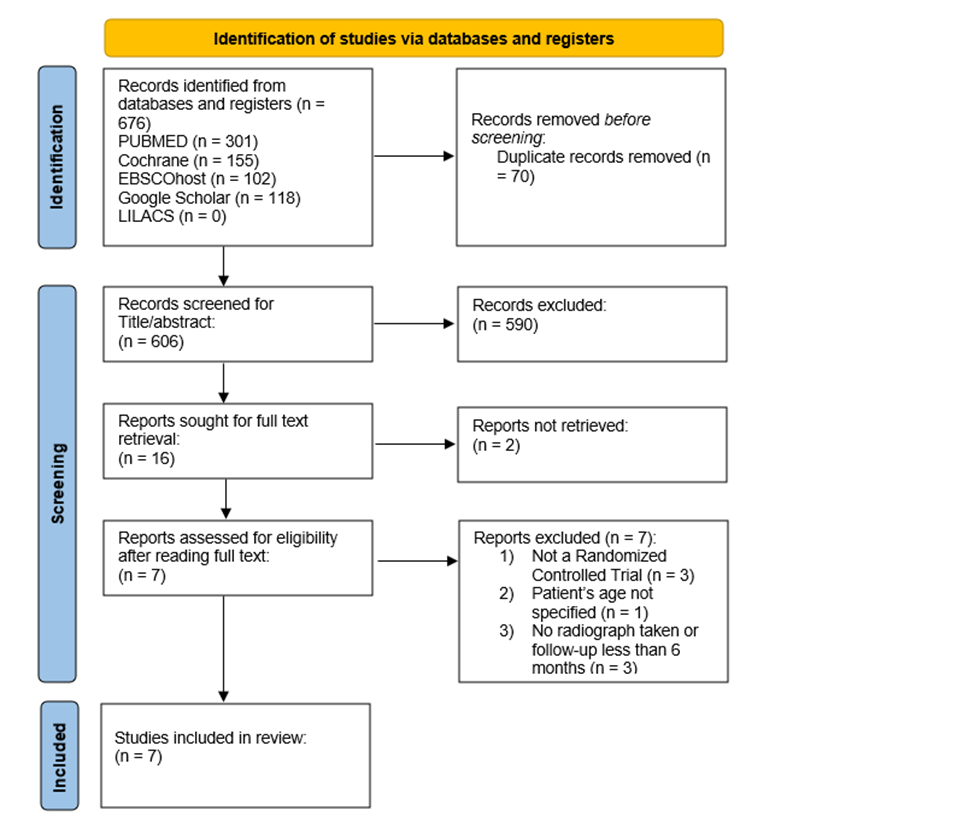
In the initial phase of this investigation using various combinations of keywords such as “Pulpotomy”, “Mature Permanent Teeth”, “Systematic Irreversible Pulpitis”, “Mineral Trioxide Aggregate”, “Biodentine”, “2015-2024” were used, alongside Boolean operators [ OR, AND, NOT], asterisks (*), and quotation marks (““). This task yielded 131 articles published between 2015 and 2024. To ensure the reliability and validity of the findings, only peer-reviewed articles were selected for the analysis. This search process, including the application of search strings and filters, is provided in Figure 1, illustrating the systematic review steps utilized for the conduct of meta-analysis.

Fig. 1: Refining research strategy: Effective use of search strings and filters like Google Scholar
For this comprehensive investigation into the clinical and radiological outcomes of pulpotomy in mature permanent teeth with symptomatic irreversible pulpits using mineral trioxide aggregate (MTA) and Biodentine, we employed Zetero 5.0 and Rayyan QCRI. These specialized web applications facilitated the systematic review process by streamlining the organization and analysis of the collected data. A thorough back-reference search was also conducted, meticulously examining the reference lists of selected articles to identify additional relevant studies.
The focus of this review spans studies published between 2015 and 2024, a period characterized by significant advancements in endodontic materials and techniques. The primary objective of this study is to evaluate the efficacy and outcomes of MTA and Biodentine in pulpotomy procedures, considering factors such as success rates of clinical and radiological, patient comfort, procedural efficiency, and overall treatment effectiveness. To ensure the robustness and reliability of the findings, publications from this timeframe were meticulously selected and validated by two independent reviewers. This rigorous approach was designed to provide a comprehensive in mature permanent teeth, supporting evidence-based clinical decision-making.
The literature search included 131 articles using search sites like Google Scholar, PubMed, and ResearchGate. These databases were chosen to provide a comprehensive coverage of both national and international studies. After removing duplicates and irrelevant articles, 40 studies were selected for further review. A thorough review of titles and abstracts resulted in the exclusion of 21 articles. Subsequently, two authors independently evaluated the quality of the remaining 40 full-text articles using Aiken’s Index to ensure inter-rater agreement. During this assessment, 21 articles were excluded due to outliers that contributed to heterogeneity among the studies. Ultimately, 19 articles were included in the meta-analysis, resulting in a refined dataset for assessing the clinical and radiological outcomes of pulpotomy in mature permanent teeth using Mineral Trioxide Aggregate (MTA) and Biodentine.
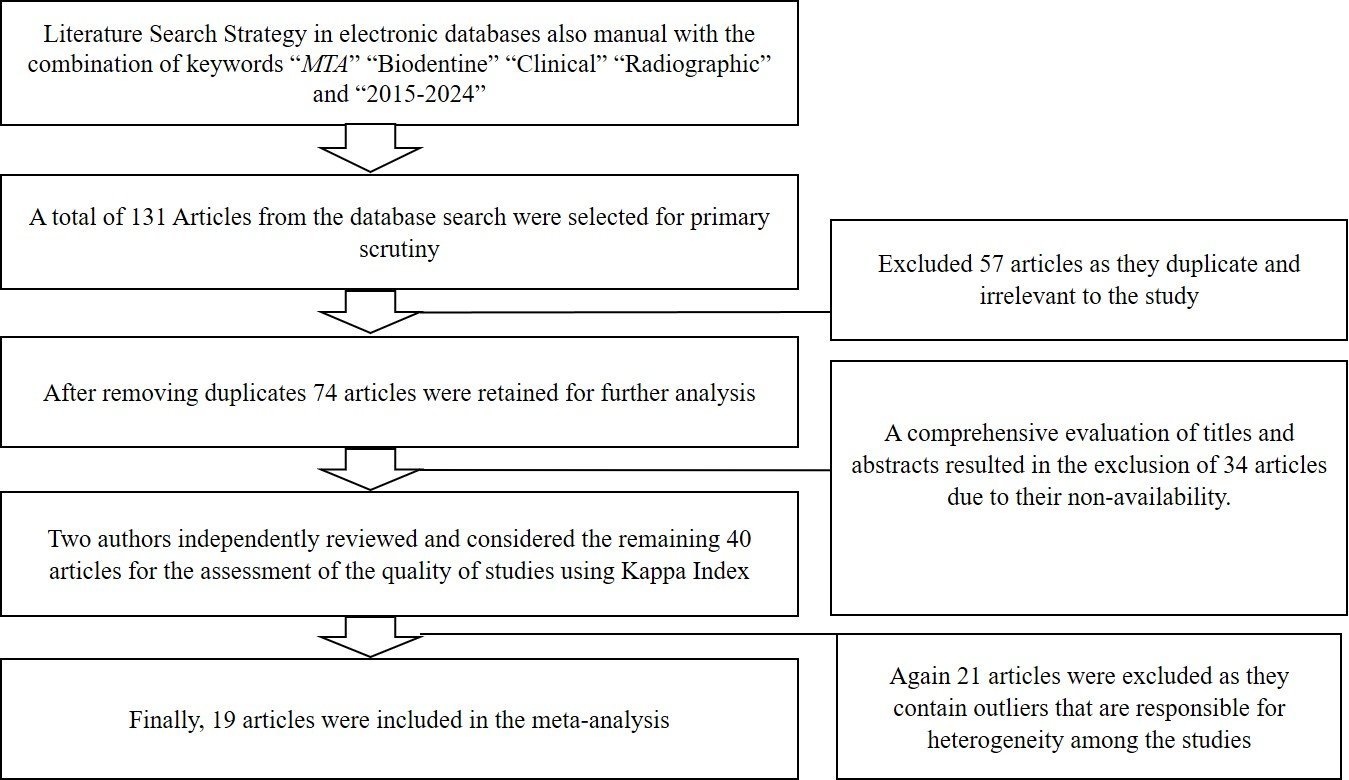
Fig 2: Illustrating the systematic review process: A visual approach to article selection.
We conducted a meta-analysis to assess the clinical and radiological outcomes of pulpotomy in mature permanent teeth with systematic irreversible pulpitis utilizing Mineral Trioxide Aggregate (MTA) and Biodentine. Statistical analysis was conducted utilizing R open-sources software version 3.2.5. Forest plots were utilized to visualize the effect size, which included confidence intervals to illustrate the precision of these estimates. Variability and inconsistency [I2] across the studies were addressed by using both fixed-effect and random-effect models. The random-effect model was applied when significant diversity and inconsistency in the data were observed, to account for these differences. The estimate of the between-study variable (τ²) was calculated using the most conservative probability method, ensuring a thorough and reliable evaluation of the outcomes associated with MTA and Biodentine in Pulpotomy procedures.
Meta-regression was performed using R statistical software version 3.2.5 to investigate how different study characteristics affect the clinical and radiological outcome of pulpotomy in matured permanent teeth with symptomatic irreversible pulpitis treated with MTA and Biodentine. This includes detailed subgroup analysis across various clinical settings and groups. This analysis is focused on assessing how various factors impacted the effectiveness of MTA and Biodentine in pulpotomy treatments. Key variables included sample size, test group, and species which could include potential bias. The main aim was to measure the extent of heterogeneity across studies. Due to the heterogeneity and the limited number of studies, we employed random effect model for systematic review. This approach helped tackle the variability among the study outcomes. We explored how different aspects, such as treatment efficacy, pain in mandibular molars, patients' comfort, and success rates of pulpotomy between MTA and Biodentine among the patients. Regression coefficients were calculated to determine the correlation between study characteristics and treatment results. Variable including sample size, test group, comparison, and species were considered for meta-regression. In this the variable with a p-value below 0.05 were selected for the multivariable analysis. The factors which showed statistical significance (p<= 0.05). This provides clear insights into the average success rate of pulpotomy with MTA and Biodentine.
Subgrouping analysis
A subgroup analysis was conducted to compare the clinical and radiological outcomes of pulpotomy in mature teeth with symptomatic irreversible pulpitis, using MTA and Biodentine. The study population was divided into smaller groups based on factors like sample sizes, treatment methods, and geographic locations to see if the effectiveness of these materials differed across various groups. This analysis enabled us to identify factors that could influence the success of pulpotomy. For example, we investigated how variations in impression techniques or diagnostic criteria might impact treatment outcomes. By examining these subgroups, we gained a clear understanding of the specific conditions under which MTA and Biodentine are most effective, allowing us to develop more targeted and effective treatment strategies.
Results

Fig 3: Forest plot for the studies included

Fig 4: Publication bias among the studies included
The funnel plot (figure 4) reveals the potential publication bias, with slight asymmetry indicating that smaller studies might report different effects compared to larger ones. To address this possible bias, we conducted a meta-regression using sample size as a proxy for bias risk. The analysis found no significant impact of publication bias (p> 0.05), indicating it did not substantially affect our findings. However, our meta-regression analysis did reveal significant heterogeneity in the clinical and radiological outcomes of pulpotomy using Mineral Trioxide Aggregate (MTA) and Biodentine. This led us to examine potential factors contributing to the variability in outcomes most closely. We conducted univariate meta-regression to assess the influence of factors like sample size, diagnostic criteria, and geographic locations. The meta-regression results identified significant covariates contributing to the observed heterogeneity. Key factors included sample size (regression coefficient for events: Qm = 190.15 p< 0.0001), the type of methods used like irreversible pulpitis and symptomatic irreversible pulpitis (MTA vs. Biodentine) (Qm = 155.22, p< 0.0001), and species under Biodentine and MTA (Qm = 189.95, p<0.0001), as shown in Table 1. In conclusion, the findings highlighted the importance of subgroup analyses to improve the accuracy of reported outcomes of success rates related to pulpotomy with MTA and Biodentine. These analyses are crucial for understanding how species, sample size, and diagnostic method differences influence pulpotomy procedures' clinical and radiological success.

Table 1: Meta-regression
Stratification results
Analysing the sample sizes across studies on the clinical and radiological success rate of pulpotomy in mature permanent teeth reveals variations. The studies with smaller sample sizes showed an average success rate of 61% (95% CI: 43%−77%, I2 =90, τ2 = 0.086, p<0.01), while those with larger sample sizes reported an average success rate of 73% (95% CI: 58%−85%, I2 = 97, τ2 = 0.14, p<0.01), respectively (Table 2 & Fig 5). These variations underscore the influence of factors such as pain origin and potential confusion between maxillary and mandibular arches on the treatment outcomes. These findings help to enhance treatment efficacy and patient’s preference is that studies with larger sample sizes are more accurate rather than smaller sample sizes.
Sample size
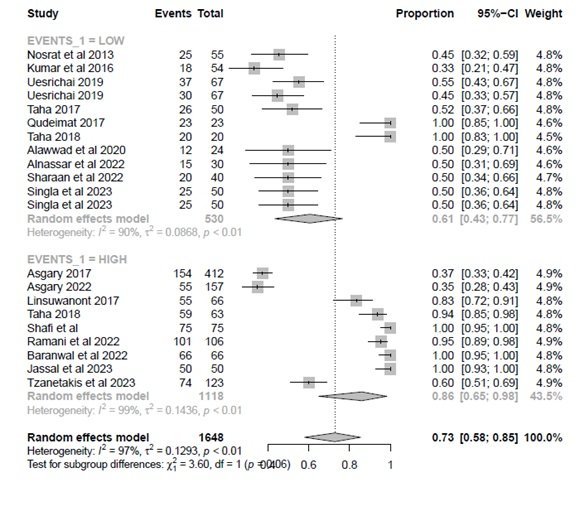
Fig 5: Forest plot portrays subgrouping of sample size
Assessing the clinical and radiological success rate of pulpotomy in mature permanent teeth with symptomatic irreversible pulpitis, using MTA and Biodentine among the patients. The success rate of pulpotomy with MTA and Biodentine, with an average percentage of 64% (95% CI: 48%−79%, I2 =97, τ2 = 0.15, p<0.01), 90% (95% CI: 48%−78%, I2 = 97, τ2 = 0.09, p<0.01), respectively (Table 2 & Fig 6). Higher success rates and effectiveness were found in Biodentine in comparison with MTA. This emphasizes the importance of differences in treatment outcomes of pain raised by this treatment, clinical protocols, patient's comfort, etc. These findings help to enhance treatment efficacy and patient's preference for the treatment of pulpotomy using MTA and Biodentine.
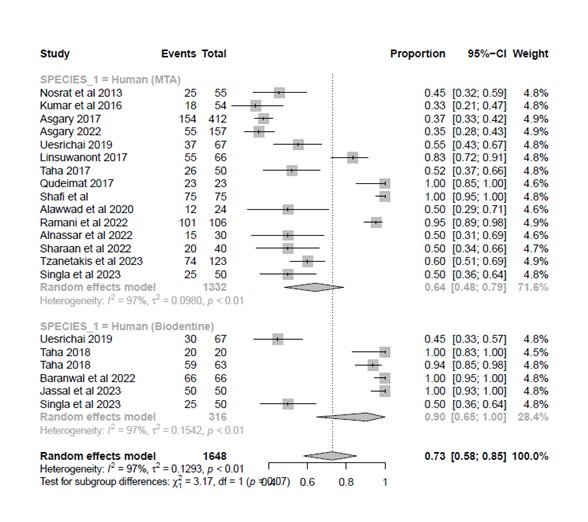
Fig 6: Forest plot portrays the subgrouping of MTA and Biodentine methods among humans

Table 2: Stratification pattern: An In-depth explanation of various factor variations using sub-group analysis
DISCUSSION
To the best of our knowledge, we investigated and provided a comprehensive assessment of pulpotomy's clinical and radiological outcomes in mature permanent teeth with irreversible pulpitis using MTA and Biodentine and their success rates. This systematic review represents a significant contribution to the field by comparing these widely used materials in the context of irreversible pulpitis. Numerous studies have been published on various methods and materials used in pulpotomy in mature permanent teeth, out of which in most of the studies clinical and radiographic evaluation was completed in 6 months and 1 year post-operatively after treatment. The signs and symptoms suggestive of irreversible pulpitis were established in all teeth and symptomatic apical periodontitis in 14 of 20 (70%) and showed 95% success in follow up 6 months and one year post operatively.11 Another study revealed that clinical signs and symptoms indicative of irreversible pulpitis were established in all teeth and periapical rarefaction was present in nine teeth, two days post treatment, 93.8% reported complete relief of pain12 and another study worked on MTA revealed that clinical signs and symptoms suggestive of irreversible pulpitis were established in 44/52 teeth, and periapical refraction in 14th teeth and success rate 100% clinically and 97.5% radiographically in one year follow up & 92.7% in three year follow up.9 The study by Alawwad et al revealed a decline in MTA's success rate from 100% at six months to 50% at one year (p=0.031), highlighting potential long-term issues with MTA.14 Additionally, no significant differences were found in clinical or radiographic outcomes between RCT, PMTA, and PCEM, suggesting similar effectiveness across these treatments (p > 0.05).6 MTA pulpotomy showed an overall success rate of 87.3% over 62 months, though ongoing monitoring is necessary to detect asymptomatic failures. These findings provide clinicians with flexibility in treatment selection based on long-term efficacy.8 Overall success rates of both Biodentine and Proroot material with 87% and 92% respectively, suggesting that Biodentine was non inferior to ProRoot MTA7 which is contrary to our results as our study showed Biodentine with 90% success rate which is attributed to its faster setting time and the ability to form hydroxyapatite crystals which provides better sealing ability at dentine-material interface. MTA showed higher tendency towards success compared with the CH group, and in mature permanent teeth clinically diagnosed with irreversible pulpitis.22 The present study considers the advantages of success rates of clinical and radiological outcomes of pulpotomy in mature permanent teeth with irreversible pulpitis, using MTA and Biodentine there exist significant differences in the materials utilized, pain relief, and success rates. Our study provided valuable insights to doctors as well as patients regarding treatment available, pins relief, and success rates of pulpotomy in mature permanent teeth.
CONCLUSION
Pulpotomy as a treatment option for mature permanent teeth with irreversible pulpitis, using MTA and Biodentine is very effective. This study confirms that both MTA and Biodentine are effective in managing irreversible pulpitis in mature permanent teeth with Biodentine showing superior results in terms of success rate clinically and radiologically. Clinicians can confidently use either material based on the patient's preferences and the most effective material for pain relief and with these outcomes providing reliable and successful outcomes. Further research is needed to explore additional factors and the efficacy of additional materials in treatment to optimize the patient's preferences.
REFERENCES
- Parirokh M, Torabinejad M. Mineral Trioxide Aggregate: A Comprehensive Literature Review-Part I: Chemical, Physical, and Antibacterial Properties. J Endod 2010;36(1):16–27.
- Camilleri J, Ch BD, Phil M. The dentine in a capsule or more? CliniCal Insights. 2010.
- Nosrat A, Seifi A, Asgary S. Pulpotomy in caries-exposed immature permanent molars using calcium-enriched mixture cement or mineral trioxide aggregate: a randomized clinical trial. Int J Paediatr Dent. 2013 Jan;23(1):56-63.
- Kumar V, Juneja R, Duhan J, Sangwan P, Tewari S. Comparative evaluation of platelet-rich fibrin, mineral trioxide aggregate, and calcium hydroxide as pulpotomy agents in permanent molars with irreversible pulpitis: A randomized controlled trial. Contemp Clin Dent. 2016;7(4):512–8.
- Asgary S, Eghbal MJ, Bagheban AA. Long-term outcomes of pulpotomy in permanent teeth with irreversible pulpitis: A multi-center randomized controlled trial. Am J Dent. 2017 Jun;30(3):151-155.
- Asgary S, Eghbal MJ, Shahravan A, Saberi E, Baghban AA, Parhizkar A. Outcomes of root canal therapy or full pulpotomy using two endodontic biomaterials in mature permanent teeth: a randomized controlled trial. Clin Oral Investig 2022;26(3):3287–97.
- Uesrichai N, Nirunsittirat A, Chuveera P, Srisuwan T, Sastraruji T, Chompu-inwai P. Partial pulpotomy with two bioactive cements in permanent teeth of 6- to 18-year-old patients with signs and symptoms indicative of irreversible pulpitis: a noninferiority randomized controlled trial. Int Endod J. 2019;52(6):749–59.
- Linsuwanont P, Wimonsutthikul K, Pothimoke U, Santiwong B. Treatment Outcomes of Mineral Trioxide Aggregate Pulpotomy in Vital Permanent Teeth with Carious Pulp Exposure: The Retrospective Study. J Endod. 2017;43(2):225–30.
- Taha NA, Ahmad MB, Ghanim A. Assessment of Mineral Trioxide Aggregate pulpotomy in mature permanent teeth with carious exposures. Int Endod J. 2017;50(2):117–25.
- Qudeimat MA, Alyahya A, Hasan AA, Barrieshi-Nusair KM. Mineral trioxide aggregate pulpotomy for permanent molars with clinical signs indicative of irreversible pulpitis: a preliminary study. Int Endod J. 2017;50(2):126–34.
- Taha NA, Abdulkhader SZ. Full Pulpotomy with Biodentine in Symptomatic Young Permanent Teeth with Carious Exposure. J Endod 2018;44(6):932–7.
- Taha NA, Abdelkhader SZ. Outcome of full pulpotomy using Biodentine in adult patients with symptoms indicative of irreversible pulpitis. Int Endod J. 2018;51(8):819–28.
- Shafe N, Munir MB, Virda M, Anwar M, Ali M, Rashid MS. Evaluation of Success of Pulpotomy in Mature Permanent Teeth with Carious exposure using Mineral Trioxide. Pakistan J Med Heal Sci. 2021;15(6):1352–5.
- Alawwad M, Altinawi M, Rekab MS, Kosyreva T, Almokaddam H, Katbeh I. A Randomised Clinical Radiological Study using Platelet Rich Fibrin and MTA in Pulpotomy of First Permanent Immature Molars. J Clin Diagnostic Res. 2020;1–5.
- Ramani A, Sangwan P, Tewari S, Duhan J, Mittal S, Kumar V. Comparative evaluation of complete and partial pulpotomy in mature permanent teeth with symptomatic irreversible pulpitis: A randomized clinical trial. Int Endod J. 2022 May;55(5):430-440.
- Baranwal HC, Mittal N, Yadav J, Rani P, Naveen Kumar PG. Outcome of partial pulpotomy verses full pulpotomy using biodentine in vital mature permanent molar with clinical symptoms indicative of irreversible pulpitis: A randomized clinical trial. J Conserv Dent. 2022 May-Jun;25(3):317-323.
- Jassal A, Nawal RR, Yadav S, Talwar S, Yadav S, Duncan HF. Outcome of partial and full pulpotomy in cariously exposed mature molars with symptoms indicative of irreversible pulpitis: A randomized controlled trial. Int Endod J. 2023 Mar;56(3):331-344.
- Alnassar I, Altinawi MK, Rekab MS, Alzoubi H, Katbeh I. Evaluation of Bioceramic Putty in Pulpotomy of Immature Permanent Molars With Symptoms of Irreversible Pulpitis. Cureus. 2022 Nov 22;14(11):e31806.
- Sharaan M, Ali A. Mineral Trioxide Aggregate vs Calcium-Enriched Mixture Pulpotomy in Young Permanent Molars with a Diagnosis of Irreversible Pulpitis: A Randomized Clinical Trial. Iran Endod J. 2022 Summer;17(3):106-113.
- Tzanetakis GN, Koletsi D, Georgopoulou M. Treatment outcome of partial pulpotomy using two different calcium silicate materials in mature permanent teeth with symptoms of irreversible pulpitis: A randomized clinical trial. Int Endod J. 2023;56(10):1178–96.
- Singla R, Laller V, Gill GS, Jain N, Kumar T, Dhillon JS. Comparative assessment of the outcome of complete pulpotomy using mineral trioxide aggregate and Biodentine in mature permanent mandibular molars with symptomatic irreversible pulpitis: A randomized clinical trial with 18 months of follow-up. J Conserv Dent Endod. 2023 Jul-Aug;26(4):402-408.
- Taha NA, Khazali MA. Partial Pulpotomy in Mature Permanent Teeth with Clinical Signs Indicative of Irreversible Pulpitis: A Randomized Clinical Trial. J Endod. 2017;43(9):1417–21.
ABBREVATIONS
MTA- Mineral Trioxide Aggregate
RCT- Root Canal Treatment
BD- Biodentine
PMTA- ProRoot MTA
PCEM- Calcium Enriched Mixture
Disclaimer from Guident
The views and opinions expressed in articles published in Guident are solely those of the authors and do not necessarily reflect the views of the editors, the editorial board or the publisher, Ivory India. Guident does not endorse any product, technique or treatment described. Clinical content is intended for qualified dental and medical professionals and is not a substitute for individual clinical judgement. Guident, its editors and the publisher accept no liability for any consequence arising from the use of information published in the journal.
How to cite this article
Dr. Shashank Babel, Dr. Divya Shashank Babel, Dr. Ashwini Mallappa. Comprehensive Investigation and Meta-Analysis to Examine the Success Outcome of Pulpotomy in Permanent Teeth with Symptomatic Irreversible Pulpitis Using Mineral Trioxide Aggregate and Biodentine. Guident. 2024 Dec;18(1). Available from: https://guident.net/articles/research/comprehensive-investigation-and-meta-analysis-to-examine-the-success-outcome-of-pulpotomy-in-permanent-teeth.html