Re-Imagining Behaviour Management in Pediatric Dentistry Using ‘Tooth Buddy’, a Child - Friendly Web Tool
Department of Pediatric Dentistry, Royal Dental College, Iron Hills, Mannaraparambu, Kerala, India
Abstract
Dental anxiety remains a major challenge in pediatric dentistry and often interferes with successful treatment delivery. Conventional behavior management techniques such as Tell–Show–Do (TSD) are effective but may not fully address the expectations of digitally exposed children. With the widespread use of smartphones and internet-enabled devices, digital health tools provide a novel opportunity for patient education and behavior modification.
Aim: To evaluate the effectiveness of “Tooth Buddy,” a prototype interactive dental website, in improving behavior and reducing anxiety among children aged 5–7 years.
Materials and Methods: A randomized comparative study was conducted among 60 children aged 5–7 years attending their first dental visit at the Department of Pediatric and Preventive Dentistry. Participants were randomly allocated into two groups: Group A (Tooth Buddy) and Group B (Tell–Show–Do). Children in Group A accessed the Tooth Buddy website using a QR code before treatment, while children in Group B received conventional TSD. Anxiety was assessed using pulse rate measured with a pulse oximeter, and behavior was evaluated using Frankl’s Behavior Rating Scale (FBRS) before and after the intervention. Data were analyzed using appropriate statistical tests, with significance set at p < 0.05.
Results: The Tooth Buddy group demonstrated a statistically significant reduction in mean pulse rate following the intervention (p < 0.05), indicating decreased physiological anxiety. No statistically significant reduction was observed in the TSD group (p > 0.05). Both groups exhibited improvement in FBRS scores after treatment; however, the improvement was greater in the Tooth Buddy group, suggesting superior effectiveness in promoting positive behavior and cooperation.
Conclusion: The interactive Tooth Buddy web application effectively reduced anxiety and improved cooperative behavior in children undergoing dental treatment. Digital behavior management tools may serve as valuable adjuncts to conventional pediatric dental techniques in contemporary clinical practice.
Keywords: Dental anxiety; Pediatric dentistry; Behavior management; Mobile health; mHealth; Tell–Show–Do; Frankl Behavior Rating Scale; Digital health; Web-based intervention.
Introduction
Dental anxiety is one of the most common barriers to successful pediatric dental treatment. Fear of unfamiliar environments, dental instruments, sounds, and anticipated pain often results in uncooperative behavior, delaying treatment and negatively influencing future dental attendance.1
Behavior management forms the cornerstone of pediatric dental practice. Among the various non-pharmacological approaches, Tell–Show–Do (TSD) remains the most widely used technique.2 However, the rapid digital transformation of society has changed the way children learn, communicate and process information. Contemporary children are increasingly exposed to smartphones, tablets, interactive applications, and web-based learning platforms from an early age.3
The World Health Organization recognizes mobile health (mHealth) as an important component of digital health, utilizing mobile devices and communication technologies to support health promotion, education, and healthcare delivery.4 Mobile applications and web-based interventions have shown promise in improving health literacy, reducing anxiety, and enhancing patient engagement across multiple healthcare disciplines.4,5
India has witnessed remarkable growth in digital connectivity. Recent national surveys indicate that mobile phone usage exceeds 96% among young individuals in both rural and urban settings, while more than 85% of Indian households possess at least one smartphone.6 This unprecedented digital penetration creates opportunities for innovative educational and motivational tools in pediatric dentistry.
"Tooth Buddy" was conceptualized as an interactive child-friendly web platform designed by us with help of our digital team to familiarize children with the dental environment, procedures, and instruments before treatment. By providing information through engaging visual and interactive content, the application aims to reduce uncertainty, alleviate anxiety, and improve treatment cooperation. The platform was developed based on principles of visual learning, behavior guidance, and positive reinforcement, aligning with the learning preferences of today's digitally engaged children.
Aim
To evaluate the effectiveness of “Tooth Buddy,” a prototype interactive dental website, in improving behavior and reducing anxiety among children aged 5–7 years.
Methodology:
A randomized comparative clinical study was conducted among 60 children aged 5–7 years attending their first dental visit to the Department of Pediatric and Preventive Dentistry. Participants were randomly allocated into two groups: Group A (Tooth Buddy, n = 30), in which children interacted with the Tooth Buddy web application through a QR code before treatment, and Group B (Tell–Show–Do, n = 30), in which children received conventional Tell–Show–Do behavior guidance. Ethical approval was obtained from the Institutional Ethics Committee prior to commencement of the study. Written informed consent was obtained from the parents or legal guardians of all participating children. Participation was entirely voluntary, and the children were assured of their safety, comfort, confidentiality and the right to withdraw from the study at any stage without affecting their treatment.
Inclusion Criteria
- Children aged 5–7 years.
- First dental visit.
- Ability to use a digital device.
- Parent/guardian willing to provide informed consent.
Exclusion Criteria
- Previous behavior management interventions or extensive dental treatment experience.
- Medically compromised children.
- Auditory or visual impairment.
- Children or parents unwilling to participate.
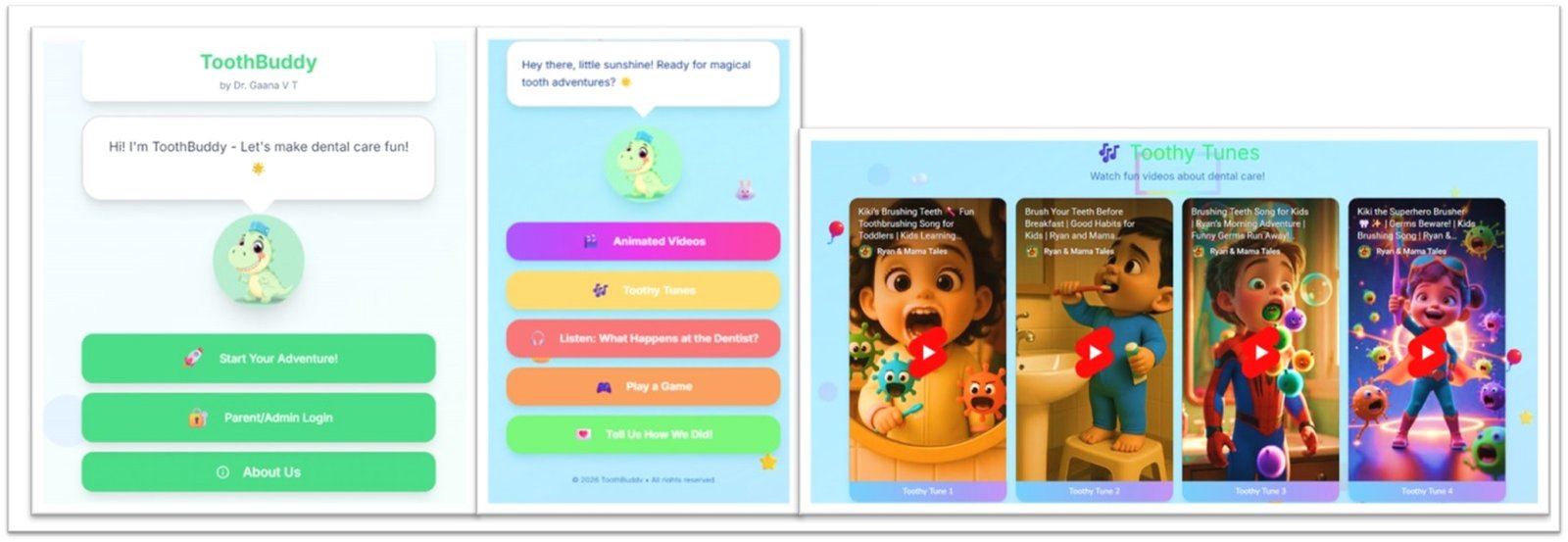
Figure 1. Screenshot of the Tooth Buddy web application interface

Figure 2. Child-friendly animated characters featured in the Tooth Buddy web platform.
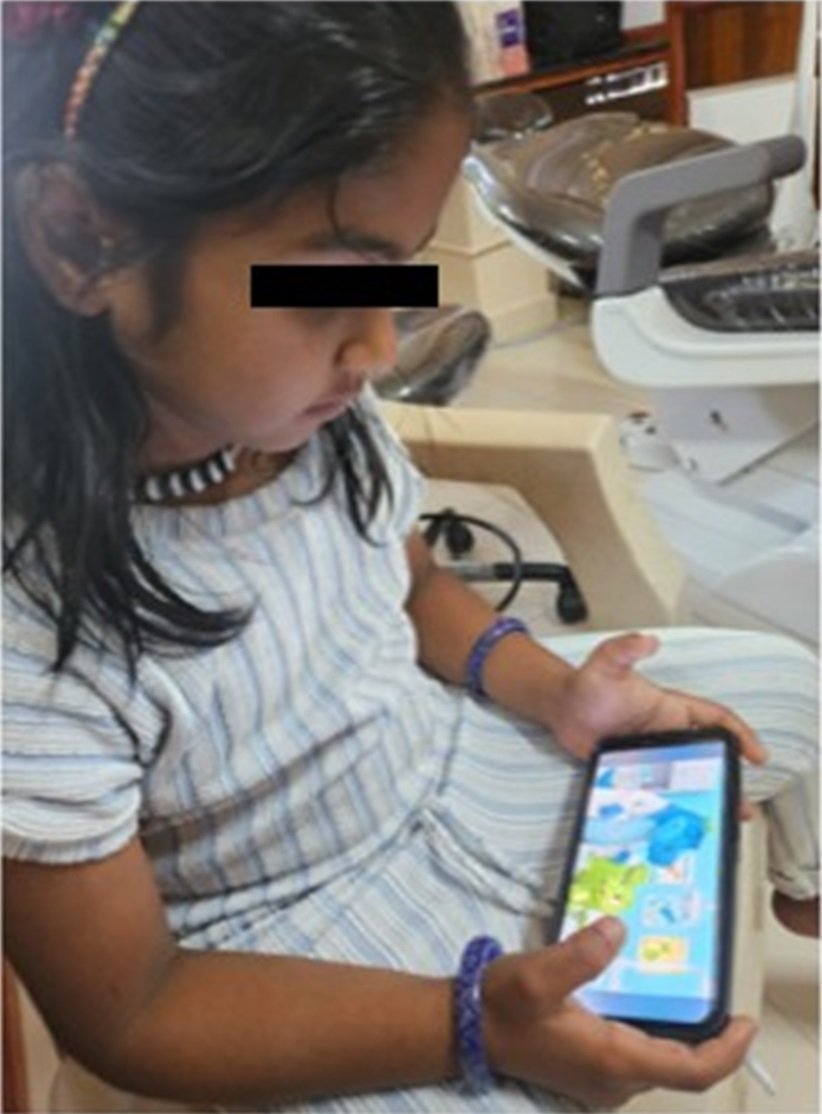
Figure 3. Pre-treatment familiarization using the Tooth Buddy web application

Figure 4. Tell–Show–Do before dental treatment
RESULTS
|
Group |
Mean ± SD (Before) |
Mean ± SD (After) |
p-value |
|
Group A (Tooth Buddy) |
102.4 ± 12.9 |
93.1 ± 11.8 |
0.009 * |
|
Group B (Tell–Show–Do) |
94.9 ± 11.8 |
95.8 ± 11.6 |
0.26 |
Table 1: Intragroup Comparison of Pulse Rate Before and After Intervention
Values are expressed as mean ± standard deviation (SD). Intragroup comparisons were performed using the paired t-test. A p-value < 0.05 was considered statistically significant.
*Indicates statistically significant difference
|
Group |
Mean ± SD (Before) |
Mean ± SD (After) |
p-value |
|
Group A (Tooth Buddy) |
2.27 ± 0.83 |
2.20 ± 0.56 |
0.002* |
|
Group B (Tell–Show–Do) |
3.13 ± 0.74 |
2.53 ± 0.63 |
0.01* |
Table 2: Intragroup Comparison of FBS Before and After Intervention
Values are expressed as mean ± standard deviation (SD). Intragroup comparisons were performed using the paired t-test. A p-value < 0.05 was considered statistically significant.
*Indicates statistically significant difference.
FBS = Frankl Behavior Rating Scale.
A significant reduction in mean pulse rate was observed in the Tooth Buddy group following intervention, indicating a substantial decrease in physiological anxiety levels (p < 0.05). In contrast, the Tell–Show–Do group demonstrated no statistically significant change in pulse rate (p > 0.05).
Assessment of behavior using Frankl’s Behavior Rating Scale revealed improvement in both groups following treatment. However, children exposed to the Tooth Buddy application exhibited greater improvement in cooperative behavior compared to those managed with conventional Tell–Show–Do.
These findings suggest that the interactive digital platform was more effective in preparing children psychologically for dental treatment and promoting positive behavioral responses.
DISCUSSION
The present study evaluated the effectiveness of Tooth Buddy, a self-designed interactive web application, as a behavior management aid in pediatric dentistry. The findings demonstrated that children who interacted with the application exhibited significantly lower anxiety levels and better behavioral outcomes compared to those receiving conventional Tell–Show–Do (TSD) guidance.
A significant reduction in pulse rate was observed in the Tooth Buddy group following the intervention, indicating a decrease in physiological anxiety and anticipatory fear. Dental anxiety in children is frequently associated with unfamiliarity with the dental environment, instruments, and procedures. As reported by Gao et al. (2023)7, fear of unknown dental experiences remains a major contributor to anxiety and behavioral management difficulties in children. The interactive features of Tooth Buddy likely enabled children to visualize and understand the dental experience before treatment, thereby reducing uncertainty and enhancing predictability.
Behavioral assessment using Frankl's Behavior Rating Scale revealed improvement in both groups; however, the improvement was more pronounced among children exposed to Tooth Buddy. This finding highlights the educational and motivational value of digital platforms in behavior guidance. Interactive learning promotes active engagement rather than passive observation, allowing children to process information at their own pace. Similar observations were reported by Shah et al. (2024)8, who found that digital oral-health applications improved knowledge acquisition, treatment acceptance and patient engagement among pediatric populations.
The findings of the present study are consistent with contemporary evidence supporting non-pharmacological interventions for reducing dental anxiety. In a network meta-analysis, Kong et al. (2024)9 concluded that behavioral and educational interventions significantly improved cooperation and reduced anxiety among pediatric dental patients when compared with routine care. Their findings support the use of innovative educational tools as adjuncts to conventional behavior management techniques.
The effectiveness of Tooth Buddy may also be explained by the digital environment in which contemporary children are raised. According to Mayer (2021)10, multimedia learning environments enhance attention, comprehension and retention by engaging multiple sensory pathways simultaneously. Consequently, information presented through interactive digital media may be perceived as more relatable and less intimidating than conventional verbal explanations.
The superior performance observed in the Tooth Buddy group may further be attributed to the unique design features incorporated into the application. As a self-developed platform, Tooth Buddy was specifically designed to address common sources of dental fear among young children. The application combines educational content, visual familiarization, positive reinforcement and interactive engagement in a format tailored to the cognitive and emotional needs of children aged 5–7 years. Similar benefits of digital behavior guidance tools have been highlighted by Al-Namankany and Ashley (2023)11, who reported that audiovisual and technology-based preparatory interventions improve children's acceptance of dental treatment.
Unlike traditional behavior management techniques that are largely confined to the dental operatory, Tooth Buddy extends the preparatory process beyond the clinical setting. By allowing children to explore dental procedures in a safe and engaging environment before treatment, the application may enhance feelings of control, confidence, and preparedness, all of which are known to reduce anxiety and improve cooperative behavior. This observation is supported by the findings of Kong et al., who emphasized that familiarization-based interventions effectively reduce dental fear and promote positive behavior.
The widespread availability of smartphones further strengthens the feasibility and practicality of such interventions. Recent national reports indicate substantial smartphone penetration across India, facilitating the delivery of healthcare education through digital platforms. Shah et al. also concluded that mobile-based oral health interventions are accessible, cost-effective, and capable of improving health-related behaviors among children and adolescents.
From a broader public health perspective, the World Health Organization recognizes mobile health (mHealth) as an important strategy for health promotion, patient education, and behavioral modification through mobile technologies.12 The findings of the present study support the application of mHealth principles in pediatric dentistry and suggest that digital tools such as Tooth Buddy can effectively complement conventional behavior guidance techniques rather than replace them.
Overall, the results suggest that Tooth Buddy, a prototype, serves not only as an anxiety-reduction tool but also as an educational and motivational platform capable of improving children's preparedness, confidence and cooperation during dental treatment. Its accessibility, child-centered design and positive clinical outcomes indicate considerable potential for wider implementation in pediatric dental practice.
REFERENCES
- Hagwane AD. Comparative evaluation of the effectiveness of a mobile app (little lovely dentist) and the tell-show-play-do technique in the management of dental anxiety and fear. Journal of the Indian Society of Pedodontics & Preventive Dentistry. 2024 Feb 2;42.
- Lee JH, Jung HK, Lee GG, Kim HY, Park SG, Woo SC. Effect of behavioral intervention using smartphone application for preoperative anxiety in pediatric patients. Korean journal of anesthesiology. 2013 Dec 26;65(6):508.
- Cuthbert MI. A screening device: children at risk for dental fears and management problems. J. Dent. Child.. 1982;49:432-6.
- Sun IG, Chu CH, Lo EC, Duangthip D. Global prevalence of early childhood dental fear and anxiety: A systematic review and meta-analysis. Journal of dentistry. 2024 Mar 1;142:104841.
- Bonabi M, Mohebbi SZ, Martinez-Mier EA, Thyvalikakath TP, Khami MR. Effectiveness of smart phone application use as continuing medical education method in pediatric oral health care: a randomized trial. BMC medical education. 2019 Nov 21;19(1):431.
- Zolfaghari M, Shirmohammadi M, Shahhosseini H, Mokhtaran M, Mohebbi SZ. Development and evaluation of a gamified smart phone mobile health application for oral health promotion in early childhood: a randomized controlled trial. BMC oral health. 2021 Jan 7;21(1):18.
- Gao X, Hamzah SH, Yiu CKY, et al. Dental fear and anxiety in children and adolescents: systematic review and meta-analysis. Int J Paediatr Dent. 2023;33(4):421–432.
- Shah SS, Nair S, Patel R, et al. Mobile applications in pediatric oral health education: a systematic review. Int J Paediatr Dent. 2024;34(5):612–620.
- Kong X, Song N, Chen L, Li Y. Non-pharmacological interventions for reducing dental anxiety in pediatric dentistry: A network meta-analysis. BMC Oral Health. 2024 Sep 28;24(1):1151.
- Mayer RE. Multimedia Learning. 3rd ed. Cambridge University Press; 2021.
- Al-Namankany A, Ashley P. Video modelling and modern behavior guidance techniques in pediatric dentistry: a review. Eur Arch Paediatr Dent. 2023;24:1–10.
- World Health Organization. Global Strategy on Digital Health 2020–2025. Geneva: WHO; 2024.
- Dhar V, Jayaraman J, Marghalani AA, Wells M, Randall CL, Law C, Majstorovi? M, Gosnell E, Townsend J, Chen CY, Wedeward R. Nonpharmacological behavior guidance for children during dental treatment visits: A systematic review and meta-analysis—Part 2. Pediatric Dentistry. 2023 May 15;45(3):197-220.
Disclaimer from Guident
The views and opinions expressed in articles published in Guident are solely those of the authors and do not necessarily reflect the views of the editors, the editorial board or the publisher, Ivory India. Guident does not endorse any product, technique or treatment described. Clinical content is intended for qualified dental and medical professionals and is not a substitute for individual clinical judgement. Guident, its editors and the publisher accept no liability for any consequence arising from the use of information published in the journal.
How to cite this article
Dr. Gaana V.T, Dr. Anjana G., Dr. Anoop Harris. Re-Imagining Behaviour Management in Pediatric Dentistry Using ‘Tooth Buddy’, a Child - Friendly Web Tool. Guident. 2026 Aug;19(9). Available from: https://guident.net/articles/pedodontics/re-imagining-behaviour-management-in-pediatric-dentistry-using-tooth-buddy-a-child-friendly-web-tool.html